📰 We started UpNorthNews because we want to help more people understand that while the president and Congress get lots of attention, state and local governments play very important and underappreciated roles in your daily life.
So even though hearing the term “state budget” has been medically proven to cause drowsiness 😴 😁, we’re going to update you on the process for this very important document that determines how your tax dollars are spent to support schools, roads, human services, business development, and more.
Step 1: The governor’s version. Gov. Tony Evers gave a budget address in February, where he introduced his model of what state government would collect, spend, and prioritize over the next two years, starting July 1. The governor’s budget plan included a $3 billion increase for public schools that have been chronically underfunded for nearly a generation. There was also $2 billion in various tax relief measures and other initiatives to help consumers, farmers, veterans, and children.
Step 2: Joint Finance Committee hearings. First, what IS this committee anyway? Rather than have a separate Assembly Budget Committee and a Senate Budget Committee, the two chambers created a Joint Committee on Finance, which everyone regularly calls the Joint Finance Committee. This powerful body of 16 lawmakers is supposed to start from the governor’s proposal and then add, subtract, and modify into a version of its own. They start their process with public hearings around the state—there were four of them during the past few weeks.
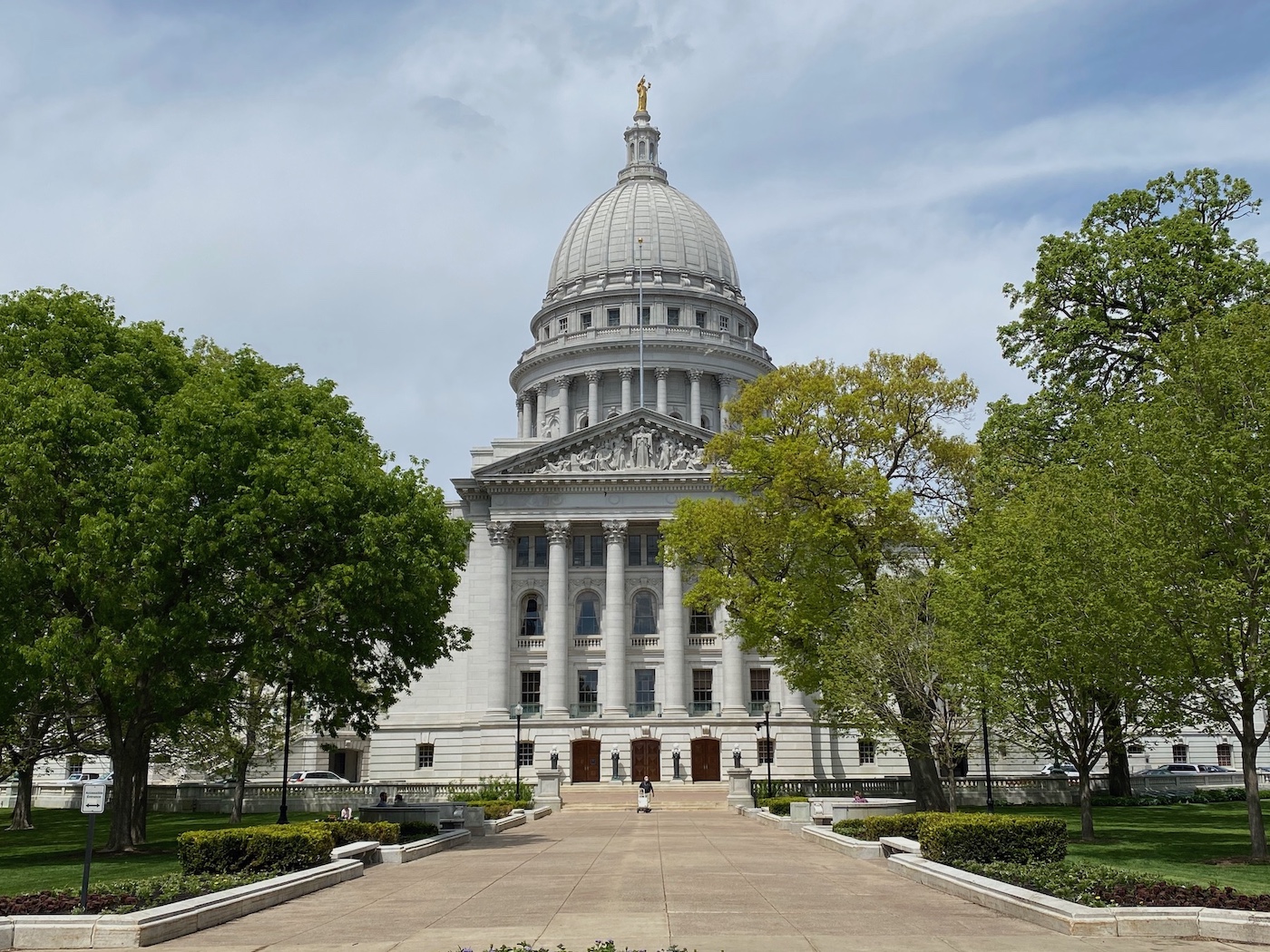
Step 3: The Legislature’s version. This is where we are now. Majority Republicans on the committee will write a bill reflecting their own priorities, which are often at odds with those of the Democratic governor. The bill is then sent to both the Assembly and Senate.
Step 4: Assembly and Senate amendments. There are 117 legislators not on the Joint Finance Committee, and they understandably want in on the action. Members will clamor for numerous amendments, but the end result has to be a single budget bill that can pass both chambers, usually with no votes from the minority party (Democrats, in this case).
Step 5: The governor’s pen. The governor can sign the bill into law or veto it in its entirety. More likely, however, is the widespread use of partial vetoes to modify the bill more to his liking. The Legislature can try to override as many of the vetoes as lawmakers want, but Republicans don’t have the two-thirds majorities needed for that so the governor’s modifications of their work will likely stick.