Immigrants. Protestors. People traveling for out-of-state abortion care.
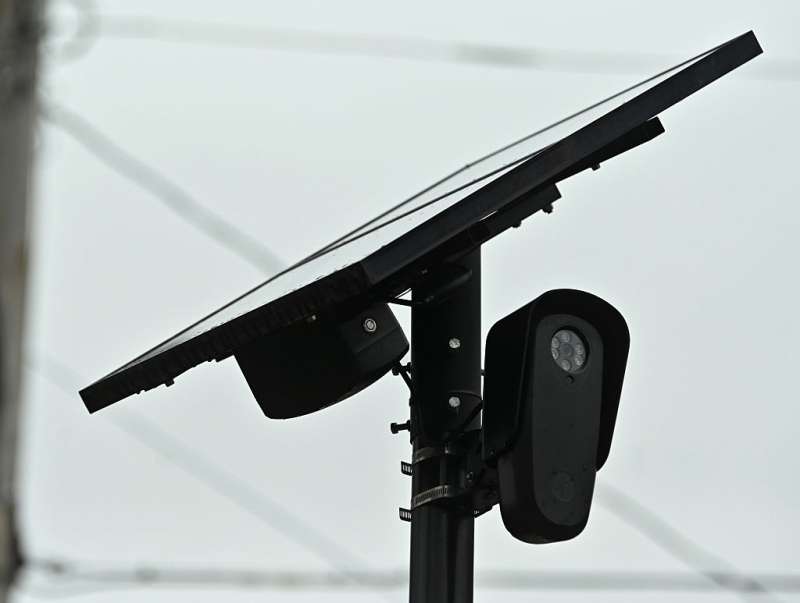
These are just a few groups reportedly being monitored by federal agencies using Flock, an Atlanta-based surveillance company that holds contracts with thousands of law enforcement agencies and creates a national searchable network of vehicle identification information.
“Flock is part of an ever-growing array of invasive tools law enforcement uses to collect and centralize sensitive information that can then be analyzed and shared across agencies,” said Jon McCray Jones, a policy analyst for ACLU Wisconsin, in a press release.
Over the last few months, several Wisconsin communities—including Dane County, Sturgeon Bay, and Oshkosh—have voted to terminate contracts with Flock after hearing community members’ concerns about data privacy.
Flock gives thousands of law enforcement officers access to license plate readers and a searchable database that uses artificial intelligence (AI) to help identify vehicle features, from make and model to bumper stickers. Last year, the company introduced “multi-state insights,” a tool that alerts law enforcement when suspect vehicles have been detected in multiple states.
Flock says the information it collects is designed to help officers in their investigations. But critics have expressed concerns about misuse by police departments across Wisconsin and the US, bolstered by reports that federal agencies like ICE have used the program to monitor specific individuals—including immigrants, protestors, and even those in abortion ban states who travel to seek medical care.
“The data collected locally does not stay local,” said Jones. “This data directly feeds into larger systems that are vital for the Trump administration’s targeting of marginalized communities to work.”
Meanwhile, Wisconsinites are bringing these ongoing examples to their local elected leaders, often through public comment periods during city council meetings.
“Oshkosh has a real opportunity here to set an example for neighboring communities and across the state when it comes to regulating and deploying this type of technology responsibly,” said Tanner Man, one of over a dozen Wisconsinites who testified against the city’s contract with Flock at the Oshkosh Common Council meeting on April 22.
Other Wisconsinites, like Gehrig Abbattista of Madison, warned that even if footage from Flock cameras is used in specific investigations and cases, bad actors could be tempted to exploit the tool.
“I don’t think it takes much imagination to think of scenarios of targeted abuse of both individuals and vulnerable communities,” said Abbattista during the Dane County City Council meeting.
Flock off
Today, hundreds of law enforcement agencies across Wisconsin use Flock to aid investigations. But as more Wisconsinites learn about purported state and federal misuse of the technology, Jones expects that number to drop.
“None of these decisions happened in a vacuum. They are the result of everyday Wisconsinites organizing, speaking out, and demanding that their local governments take privacy seriously,” said Jones, adding that he hopes it encourages even more Wisconsinites to advocate for freedom from invasive surveillance in their own communities.
“These wins should encourage other communities to take action against the spread of surveillance technology. They should also serve as a reminder to local leaders that constituents are paying attention and expect them to protect their privacy,” said Jones.
Related: 3 ways Wisconsinites can get involved as data centers try to creep into their communities