It has been about nine months since Gov. Tony Evers announced he would retire next year and not run for a third term in office. Since that time, around a dozen people have expressed interest in becoming Wisconsin’s next governor and we’ve had conversations with many of them through UpNorthNews interviews, radio shows, and livestream conversations.
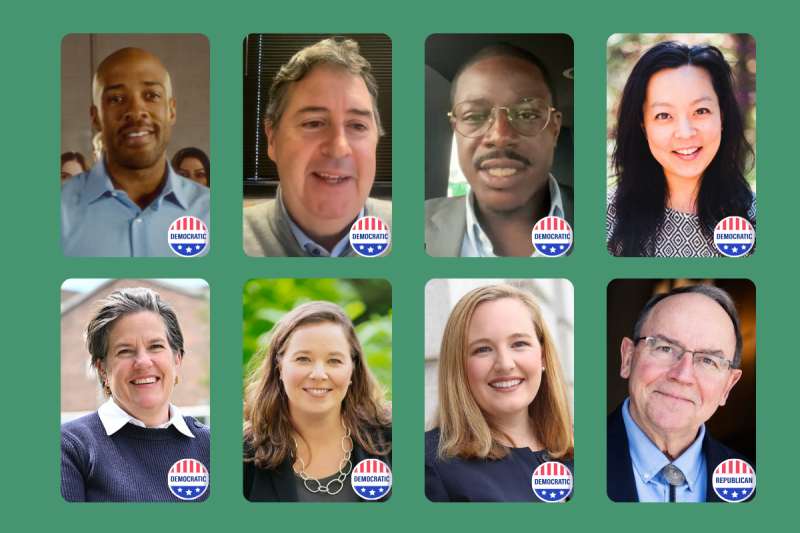
Keep an eye on our YouTube site for a playlist dedicated to videos about the candidates for governor, starting with a series of 15 to 20-minute interviews with the seven Democrats who first got into the race, as recorded in February through April 2026. (Listed here in chronological order of our interviews.)
Subscribe: Stay up to date on Wisconsin politics with our weekly Thursday evening newsletter.
Joel Brennan outlined his background, including service as Gov. Tony Evers’ first Administration Secretary, bookended by private sector experience. Brennan talked about how he would like to address the affordability of childcare and housing. And he spelled out his plan for an “ICE accountability commission” to catalog potential illegal acts by federal law enforcement sent by President Donald Trump into Wisconsin’s streets.
Missy Hughes discussed her experience as chief executive officer of the Wisconsin Economic Development Corporation as well as her private sector work, leading to her “Unlock Wisconsin” economic development plan. It emphasizes small business creation, job training, and building a lot of affordable homes.
David Crowley, Milwaukee County Executive, provided his personal background and outlined his own economic development proposals. Crowley addressed the question of whether a Black man can be elected Wisconsin governor—and he criticized presumptive Republican nominee Tom Tiffany for supporting Trump’s tariffs that he says are hurting Wisconsin families, farmers, and businesses.
Sen. Kelda Roys explained her “KeldaCare” proposal that would expand coverage by allowing Wisconsin families to buy into the programs that cover state employees. Roys has also been vocal about the need to increase wages in Wisconsin and she outlined her skepticism that Republicans would engage in good faith negotiating to increase public school funding in order to provide property tax relief.
Lt. Gov. Sara Rodriguez gave details of her online safety plan for children, her “BadgerChoice” healthcare proposal that creates a state-based public option to expand coverage, and her ideas to address the lack of affordable housing. Rodriguez also responded to an article in Urban Milwaukee that said the other candidates fit neatly into a “liberal” or “centrist” lane, while she might be more of a “wild card.” She said “pragmatist” is how she would describe the strengths she brings to the race.
Rep. Francesca Hong was interviewed the day after a Marquette Poll again named her the most preferred candidate in the Democratic primary, though the vast majority of respondents have not yet picked a favorite candidate. Hong discussed how the label of democratic socialist may sound like an easy target for Republicans, but it actually demonstrates her commitment to working for people who aren’t billionaires.
Former Lt. Gov. Mandela Barnes discussed his pledge to only appoint members to the Public Service Commission who are committed to not increasing utility rates for Wisconsin families. Barnes outlined the instances of what he calls the Tiffany Taxes paid by people in Wisconsin because of Republican positions on healthcare, trade wars, and renewable energy.
These candidates and others are in the process of circulating nominating petitions in order to collect enough signatures to qualify to be on the Aug. 11 primary ballot. The primary winner advances to the general election on Nov. 3 for Wisconsin’s next governor.