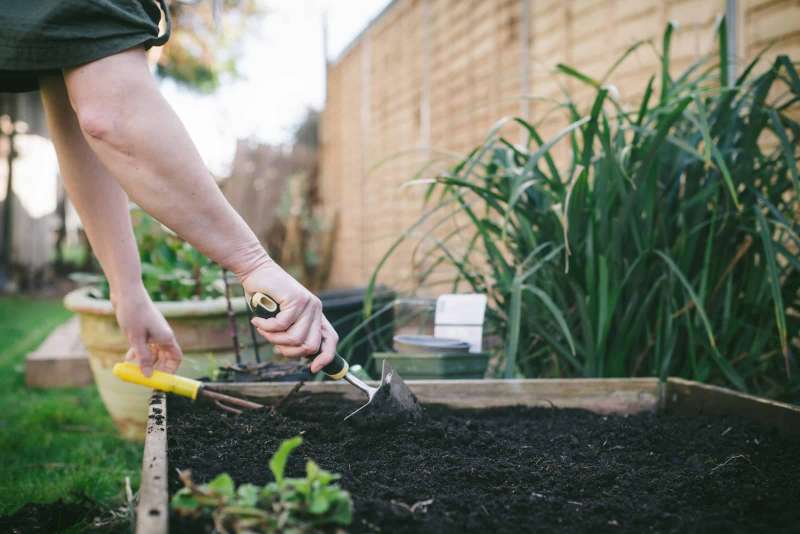
When gardening in Wisconsin, the conventional line of thinking is that you shouldn’t plant anything until after Memorial Day. That’s to avoid damage as a result of a rare late-season frost in May, which could kill any plant trying to grow in the soil, or also cause its leaves to blacken or wilt. But given that the climate is changing and outdoor temperatures in May are warmer than ever before, many gardeners are moving up that timeline.
That said, there is a necessary order of events that has a lot to do with what blooms or will be harvested first, as well as what plants take longer to mature.
First off, it’s important to ask the gardening experts one particular question: what Hardiness Zone is your area in? There are four zones, according to the United States Department of Agriculture’s 2023 Plant Hardiness Zone Map, and these (zones 3-6) are conveyed in map form by the University of Wisconsin’s Extension Horticulture. For example, zone 6A covers the western shore of Lake Michigan between Kenosha and Sheboygan County, before picking up again on Door County’s Washington Island.
In the Madison area, gardeners are in zone 5A, which also includes Marinette and Grant counties as a wide swath. The extension also publishes extensive gardening tips specific to the state, whether you’re a backyard garden hobbyist or a commercial vegetable farmer. Recent articles touched on gardening for weather extremes and using crop rotation in home vegetable gardens.
Knowing your zone allows you to follow the wisdom of gardening experts, including advice on when to plant certain varietals so you’re set up for success. It’s also recommended to start planting in the ground once the soil consistently reaches between 40 and 50 degrees Fahrenheit, with no dramatic weather shifts. Now, if you’re asking yourself how the soil temperature can be determined, there’s actually an easy way to find out: by visiting Greencast and consulting its soil temperature maps. By plugging in your zip code, you can learn the current soil temperature in your city, as well as how it’s been trending over the last month, and even this same time last year.
Start with cold-weather crops
Pushing aside the “no planting before Memorial Day rule,” some varietals do quite well if planted in late April through early May. That’s because they’re considered “cold-weather crops.” Some examples are leafy lettuces and other greens, such as spinach, kale, butter-leaf lettuce, arugula, and more. These can easily tolerate cool temperatures that are often a part of May and even into early June.
Early spring is also a fine time to start planting culinary herbs, such as basil, thyme, dill, rosemary, parsley, and cilantro. If you’re worried about them succumbing to frost, plant them in pots and move them indoors if temperatures drop below freezing one night. These are ideal to have while cooking at home, in case you need herbs as garnish or just a small amount for a recipe, not as much as you’d buy at a farmers’ market or grocery store.
Planting root vegetables
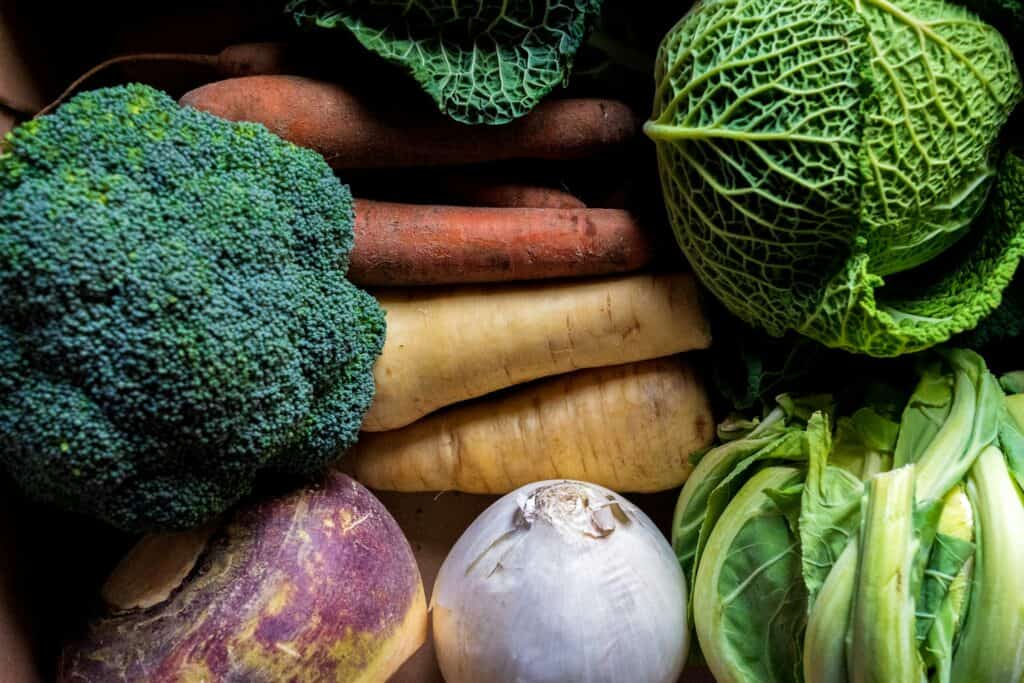
Another category of vegetables that are okay to plant in early to mid-May are what’s called root crops. Included in this definition—and so called because they grow underground—are beets, carrots, turnips, onions, garlic, potatoes, sweet potatoes, and radishes. Note that this means it’s okay to plant these as starter plants, meaning they are already at least four or five inches in height. (If you want to start your plants from seed, the recommended time to do so indoors is six to eight weeks before the last frost of the season, which is typically in early to mid-May in southern Wisconsin and into late May in northern Wisconsin.)
Moving on to warm-weather crops
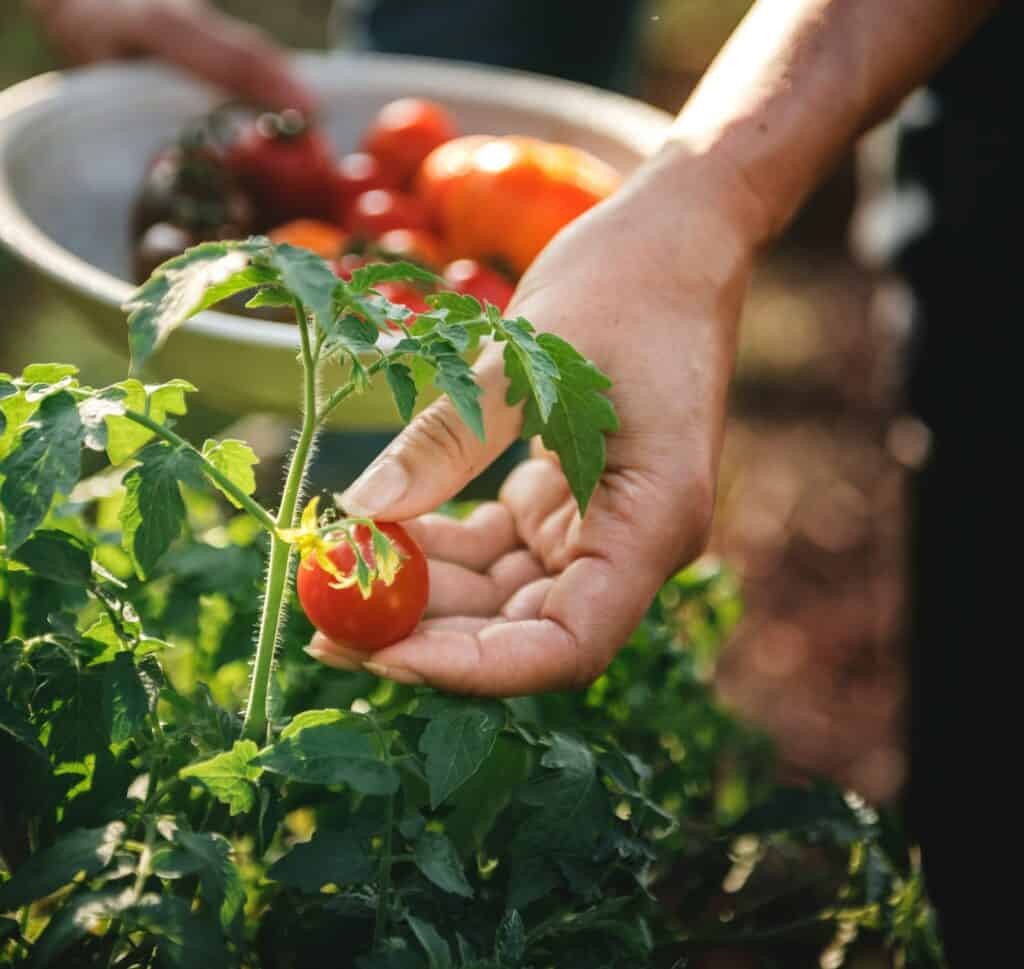
The easiest way to think about what’s a “warm-weather crop” is to consider what you typically find at farmers’ markets, and what’s in season, during the late summer and early fall. Tomatoes, cucumbers, beans, bell peppers, chile peppers, and summer squash are delicious examples. Of course, there are many varieties of tomatoes, from cherry tomatoes to beefsteak tomatoes. Many home gardeners feature a high percentage of tomatoes in their garden because they’re great for not only eating raw or cooked, but also making tomato sauce or salsa, and then preserving in jars for use during the winter months.
Planting for a fall harvest
There’s nothing better than plucking a pumpkin from your own garden or roasting squash you grew yourself. Brussels sprouts are another autumn harvest option, with the sprouts available between September and November. It’s recommended to plant any of these fall-harvest vegetables, as Wisconsin is fortunate enough to have adequate weather for growing conditions into the fall.
The University of Wisconsin’s Extension Horticulture compiled a list of fall vegetables back in 2012 that’s still highly relevant. One unique aspect of fall harvesting is that most of these vegetables keep well throughout the fall once they’re picked, so long as you keep them indoors in a cool space (the basement is ideal). The general rule of thumb is that a few weeks before the winter season’s first frost, the plants should be pulled up from the ground. If there is a rare early frost, simply covering the plants is fine and will ensure they don’t die.
This article first appeared on Good Info News Wire and is republished here under a Creative Commons license.
Related: 6 best public gardens in Wisconsin