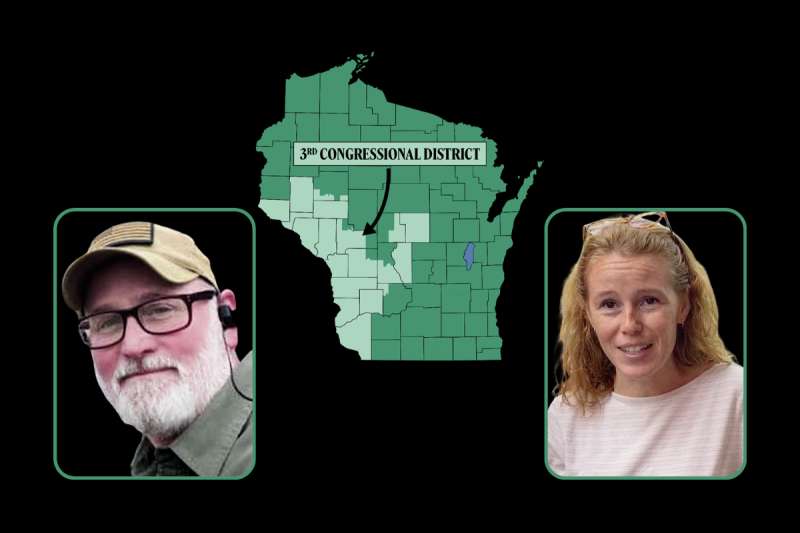
US Rep. Derrick Van Orden’s campaign playbook isn’t secret and it isn’t new. Launch multiple attacks on Democrats, berate reporters, and rudely dismiss constituents who disagree with him. Invoke military imagery to justify doing battle with political extremism. And show unwavering devotion to President Donald Trump.
But this year, the playbook is missing a critical chapter: economic policy.
Strip away the noise of the campaign — the nonstop ads, the media appearances, the dinners and parades — and it becomes apparent there is a telling difference between Van Orden and Democratic challenger Rebecca Cooke on the hot topic of affordability, and the silence from Van Orden is deafening.
While Cooke has laid out specific initiatives she would pursue to help reduce costs for families and businesses, Van Orden relies on the relics of Reaganomics — cutting taxes for corporations and wealthy households; slashing protections for consumers, workers, and the environment; ending or restricting basic social services; and denying that affordability is even a top-of-mind matter for voters.
“The Democrats invented this term ‘affordability,’” Van Orden told Fox Business in July. “I just call it living, and we’re getting back to the place where Americans are not gonna have to be concerned about wringing their hands about filling up a grocery cart.”
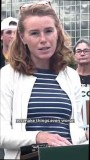
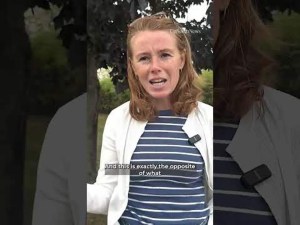
“Listen, the average American has been browbeaten into thinking that things are so much worse than they were under the Biden administration,” Van Orden says in another interview clip that Cooke posts on her social media sites to show his disconnect with public sentiment as seen in a Pew Research Center poll that indicates six-in-ten Americans now say that Trump’s economic policies have worsened economic conditions in the country.
Cooke, meanwhile, makes household economics a centerpiece of her campaign, even helping people load their groceries while talking about the challenge of making ends meet.
What is Van Orden’s economic record?
Like his House colleague Tom Tiffany who’s running for governor, Van Orden’s approach to campaign issues is minimalist, with a website economic section of just 66 words — starting with criticism of former President Joe Biden, who has now been out of office for more than 600 days, leaving about 100 days left in Van Orden’s current term.
The Van Orden economic plan continues: “Derrick knows the people of Wisconsin are the hardest working in the country. That is why he champions legislation like the Working Family Tax Cuts which ensures more of your hard earned money remains where it should be: in your pocket.”
If you’re not familiar with “Working Family Tax Cuts,” it’s because it isn’t an official title. It’s the Republican rebrand of their signature 2025 legislation, the “One Big Beautiful Bill.” But the legislation does not enjoy a beautiful public image more than a year after its passage. Recent polling showed that among independent voters, only 14% have a favorable view and 51% expressed an unfavorable view of the bill that cut $1 trillion from America’s healthcare programs.
Van Orden does not hold public town halls, so he hasn’t been asked for more specifics about what he would want to do about affordability issues if elected to a third term. At prearranged events, Van Orden talks about how the Republicans’ bill helps small businesses through faster depreciation windows and more pass-through deductions on business income. But the legislation mainly benefits businesses that are larger and more profitable because the limits being raised are at levels small businesses weren’t already reaching.
A similar argument applies to something else Van Orden brags about, claiming to eliminate taxes on tips and overtime. But as we have explained previously, that temporary relief would go to only a fraction of the state’s labor force, with 2.5% of American workers relying on tips, according to studies—many of them not earning enough to pay taxes in the first place, much less have their tip income deducted. Van Orden neglects to mention that while the tax breaks for big businesses and the super-wealthy are permanent, other changes like taxes on tips and overtime will resume shortly after the next presidential election.
What is Cooke’s economic plan?
Cooke’s website includes an economic section with multiple proposals, starting with a pledge to “take on corporations that are price gouging consumers at the gas pump, and at the grocery store.”
“I’ve taken a no-corporate-PAC pledge because I don’t want to be beholden to corporations or special interests,” Cooke tells a man in one of her social media videos recorded in a grocery store parking lot after he connects the rise in corporate political cash to rising retail prices.
Several of Cooke’s points deal with making it easier to afford a home: She’s proposed deferring property tax payments for first-time homebuyers for up to five years (presumably with federal dollars backfilling the loss of tax revenue to school districts, cities, villages, counties, and towns). Her plan also calls for expanding community block grants for affordable housing projects, “particularly in rural communities where current housing is aging out or doesn’t accommodate growing populations.” Cooke would also offer tax credits to organizations “willing to build low-income and mixed-income housing projects.”
Cooke would address the childcare crisis in Wisconsin by proposing “childcare incubators that provide training and dollars to incentivize start-ups in our small towns and rural communities.”
And Cooke proposes increasing the federal minimum wage to $15 an hour, which she calls “just the start for creating living wages in our state,” and a staggered implementation plan that starts with larger corporations, then midsize businesses and smaller employers.
Campaign update
Despite Van Orden’s steadfast support for the president’s economic agenda, Trump doesn’t seem to be returning the favor. According to new Federal Elections Commission disclosure filings reviewed by the New York Times, “No Going Back PAC, Inc.” has placed only $21,000 worth of ad buys on Van Orden’s behalf versus $90,000 in mailings to support US Rep. Bryan Steil (R-Janesville), whose 1st Congressional District race has become more competitive as he fights a challenge from emergency nurse Mitchell Berman. A different PAC supportive of Trump indicates plans to spend $1.2 million on Van Orden’s behalf, according to WisPolitics.