For Isra, the first frost of a Wisconsin autumn no longer signifies a benign change of seasons—it marks dread. The anticipation of winter brings an anxiety that starts the moment he sees his bills.
“I was actually just looking at my Xcel history, and my bill has actually doubled this year from September of last year,” said the Eau Claire resident. “I’m very worried about the winter.”
“Having heat always brings the electric bill up.”
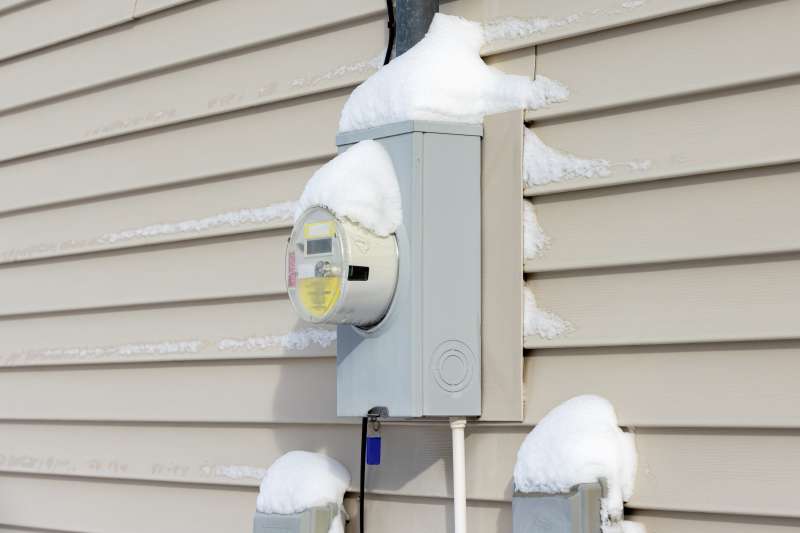
It’s a blow across Wisconsin, driven by consecutive rate hikes from the state’s local energy providers. Wisconsin utility regulators approved a major increase last November in electricity and natural gas rates for Xcel Energy’s Wisconsin operating company, Northern States Power-Wisconsin (NSP-Wisconsin), resulting in higher utility bills for customers across the northwest portion of the state.
Temperatures in the Midwest are expected to be normal this winter compared to a record-setting mild winter last year. Heating fuel costs are anticipated to rise between 2% and 11%, depending on the energy source, according to the Energy Information Administration (EIA).
With Xcel’s rate hike, the Public Service Commission of Wisconsin estimated the average Xcel residential customer’s monthly electric bill would increase by about $13.47 per month this year and $24.91 in 2027.
“It’s a pretty big chunk out of my budget,” Isra told UpNorthNews. “I found that this month after bills, I had $200 left for the month, and it’s really hard.”
“My medications have gone up; everything depends on transportation—which is diesel based. I’ve had to make some tough choices.”
How are Eau Claire groups helping neighbors with winter costs?
To help ease these burdens, grassroots coalition Opportunity Wisconsin, along with Climate Power Wisconsin—an advocacy group that promotes clean energy—are stepping up to help collect and distribute critical winter items for neighbors in need.
Ethan Reed, Eau Claire regional organizer with Opportunity Wisconsin, said their winter essentials drive comes as Wisconsin families continue to face mounting daily costs. He said Republicans in Congress, including US Rep. Derrick Van Orden, have cut funding for energy assistance, healthcare, and SNAP benefits, while tariffs and the war in Iran have driven up the cost of everyday goods—including winter essentials.
Van Orden voted for President Donald Trump’s budget packages passed in 2025 that enacted deep cuts to federal social safety nets. Groups like the Democratic Congressional Campaign Committee (DCCC) said these federal reductions translate to roughly $7 billion in healthcare and Medicaid cuts for Wisconsin over a decade.
Critics also point to federal budget proposals and appropriations bills advanced by congressional Republicans—including Van Orden—that reduce funding for the Low Income Home Energy Assistance Program (LIHEAP).
“Costs keep rising, specifically because tariffs have made everyday goods more expensive,” Reed said. “The war in Iran means diesel prices are rising.”
“It’s becoming more and more expensive to afford the things that we need, to go where we’re going, and to heat our homes. The result is that parents are making impossible choices. They’re asking, do I get coats for my kids or do I pay for groceries?”
A market breakdown from Outside Online and Ski Magazine details how tariffs of 15% to 50% on raw steel, aluminum, and foreign manufacturing have hit winter apparel and outdoor gear. It’s forced domestic brands to pass up to 30% price increases down to consumer shelves.
The Congressional Budget Office and independent groups like the Center for American Progress note that the war in Iran has disrupted shipping in the Red Sea and energy exports through the Strait of Hormuz. This spike in global commodity costs drove up domestic heating oil by 70.8% and diesel fuel by 46.3%.
Does Wisconsin charge sales tax on heating bills?
Wisconsin legislators like Assembly Rep. Jodi Emerson (D-Eau Claire) say they’ve delivered a little year-round relief to taxpayers at the state level.
“We’ve been able to pass a few bills in Madison that make some small difference,” Emerson said. “For example, in the last budget we voted to repeal back the sales tax on utility costs.”
“It helps. It’s only 5%, but it helps. However, we’ve found that since we did pass that budget—that 5% that might have been in somebody’s pocket, now is being eaten up with higher gas prices, higher diesel prices, higher food prices—higher everything prices.”
Previously, state sales tax exemptions on electric and natural gas bills were restricted only to the cold weather months of November through April. Under the state’s bipartisan budget, the sales tax exemption has been permanently extended year-round, eliminating the tax on home energy bills altogether.
The new deal was expected to save Wisconsinites an estimated $178 million over two years.
The average monthly residential electric bill is about $107, according to Madison Gas and Electric. Eliminating the sales tax is saving residents about $5 every month.
“People are going to have to turn down the heat a little bit this year because they just don’t have the money for it,” Emerson said. “Putting an extra blanket or two or three on their bed is what is going to help them make it.”
“However, how do you afford that blanket? That’s where our community steps in.”
Why are winter essentials so expensive in Wisconsin?
As Isra walks his dog in his neighborhood—a neighborhood home to several low-income families—he’s also nervous about the well-being of the children down the street.
“I worry about those kids—I’m worried about them not having gloves or not having boots that fit properly and unfortunately that’s not something I can do anything about, but I’m going to want to,” he said.
“Right now, let’s help our neighbors make sure that they stay warm and help them fill that gap, so that they can turn on the heat so that their pipes don’t freeze, and so they don’t have a bigger expense of home improvement costs that they can’t afford as well,” Emerson said.
“I think it’s shameful that a pound of beef and a gallon of diesel are both above the minimum wage right now,” said Isra. “If somebody working an hour can’t afford a pound of ground beef, there’s a problem.”
Donations for the “Fill the Gap Winter Essentials Drive” in Eau Claire will benefit the Sojourner House—a year-round, low-barrier emergency overnight shelter for adults experiencing homelessness in Eau Claire.
Items needed include: hand warmers, toe warmers, rain ponchos, sleeping bags, tarps, personal care items, food, and drinks. Donations can be dropped off at Acoustic Cafe in Eau Claire through November 2.