Bad River Food Sovereignty Program provides food, sustainable farming practices in the Ashland area.
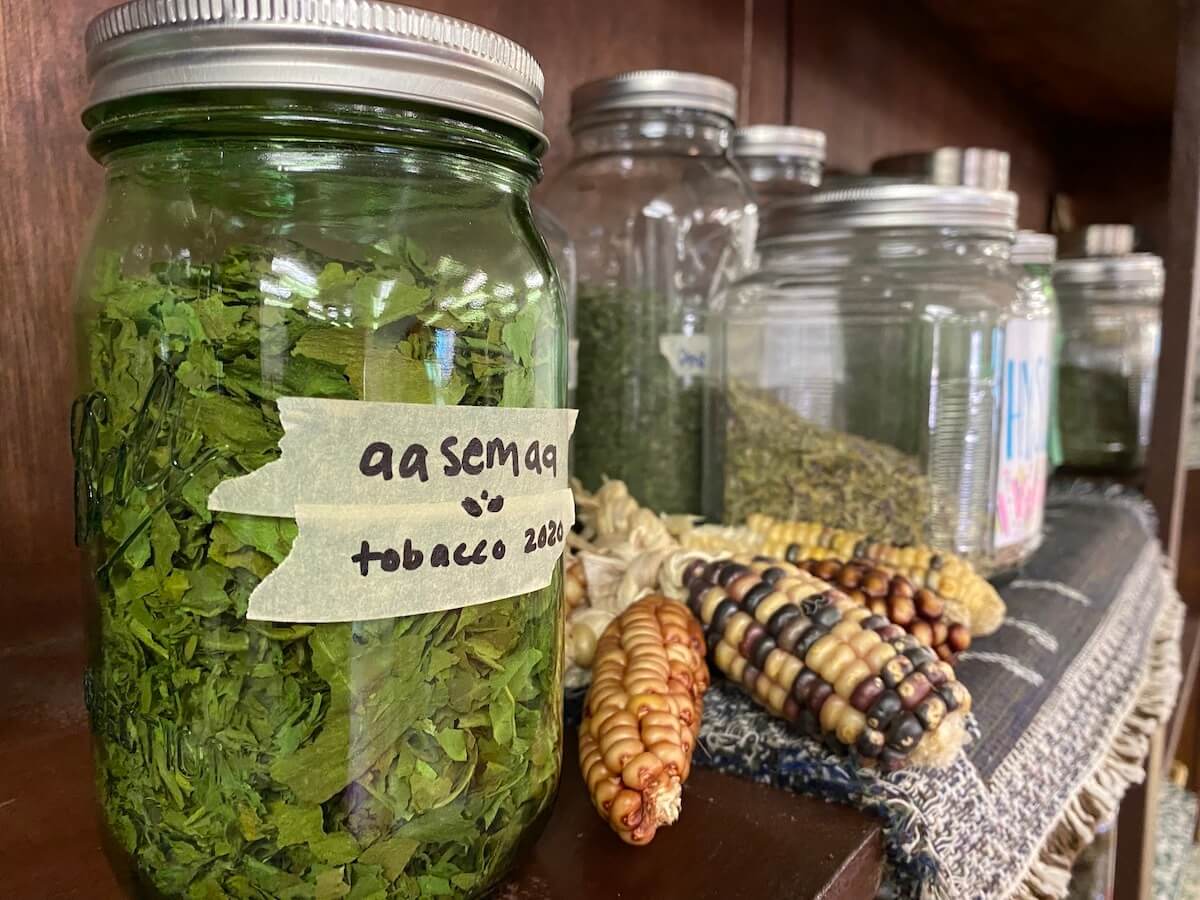
When Loretta Livingston looks at the food grown on a small plot of land on the Bad River reservation east of Ashland, she sees so much more than corn and tomatoes, tea and tobacco.
Livingston, coordinator of the Bad River Food Sovereignty Program for the past four years and a program volunteer before that, envisions how food grown as part of the project feeds residents of the reservation and others who often can’t access affordable, healthy items to eat.
She thinks about fellow community members whom she and others have taught to grow and harvest their own food. She relishes educating others about raising healthy food, growing it in much the same way as her Native American ancestors.
Perhaps most of all, Livingston appreciates the opportunity to involve others in preparing the food grown on the reservation, and on surrounding partner organic farms. She also hosts meals in the modest building that houses the program as a means of not only teaching people to make healthy meals, but to celebrate their neighbors and their culture.
“Historically our people have used meals as a means of gathering together,” Livingston said during a recent tour of the program site’s gardens, most of which have been cleared and tilled after another growing season. “Food has been a way of celebrating, of meeting your neighbors and conversing with your community. That is a part of what we are trying to do here, to connect community around food.”
In addition to educating and mentoring people to raise and prepare food, the food sovereignty project distributes low-cost and free produce to Head Start and farmers markets. Livingston also coordinates a dine-and-learn program in which local experts share traditional Native American teachings that have become less commonplace over time as indigenous people’s culture has been dominated by modern American ways.
For example, Livingston said, one class taught attendees multiple ways to use bear fat, including as a medicinal salve. Another provided instruction on how to weave baskets from natively grown materials.
RELATED: 36 Acres of Lake Superior Shoreline To Open to Public After Decades-Long Cleanup
“We’re trying to teach people to make use of the environment around them, that there are lessons to be learned from our past,” she said.
Livingston and others growing food as part of the food sovereignty program utilize that approach. This past summer they grew many foods and focused on building up and preserving soil quality while maximizing available water. Food was raised in several greenhouses and on various cultivated plots at the program’s property on the reservation.
“This is where all the work takes place,” Livingston said, pointing to the growing sites around her. “It’s hard work. But it’s good work.”
Community Benefits
Joy Schelble works with the food sovereignty program and tribal youth through her job with the University of Wisconsin Extension Office. Seeing people who live on the reservation have access to quality food and make connections to their native culture is heartening work, she said.
“It’s such a pleasure to see people be well-nourished,” Schelble said. “This program plays a very important role in this community in dealing with food and health disparities.”
As Schelble has worked with youth and the food sovereignty effort, she has made inroads with Bad River tribal members and formed friendships. She said she is “extremely grateful” for the opportunity to work with the reservation community.
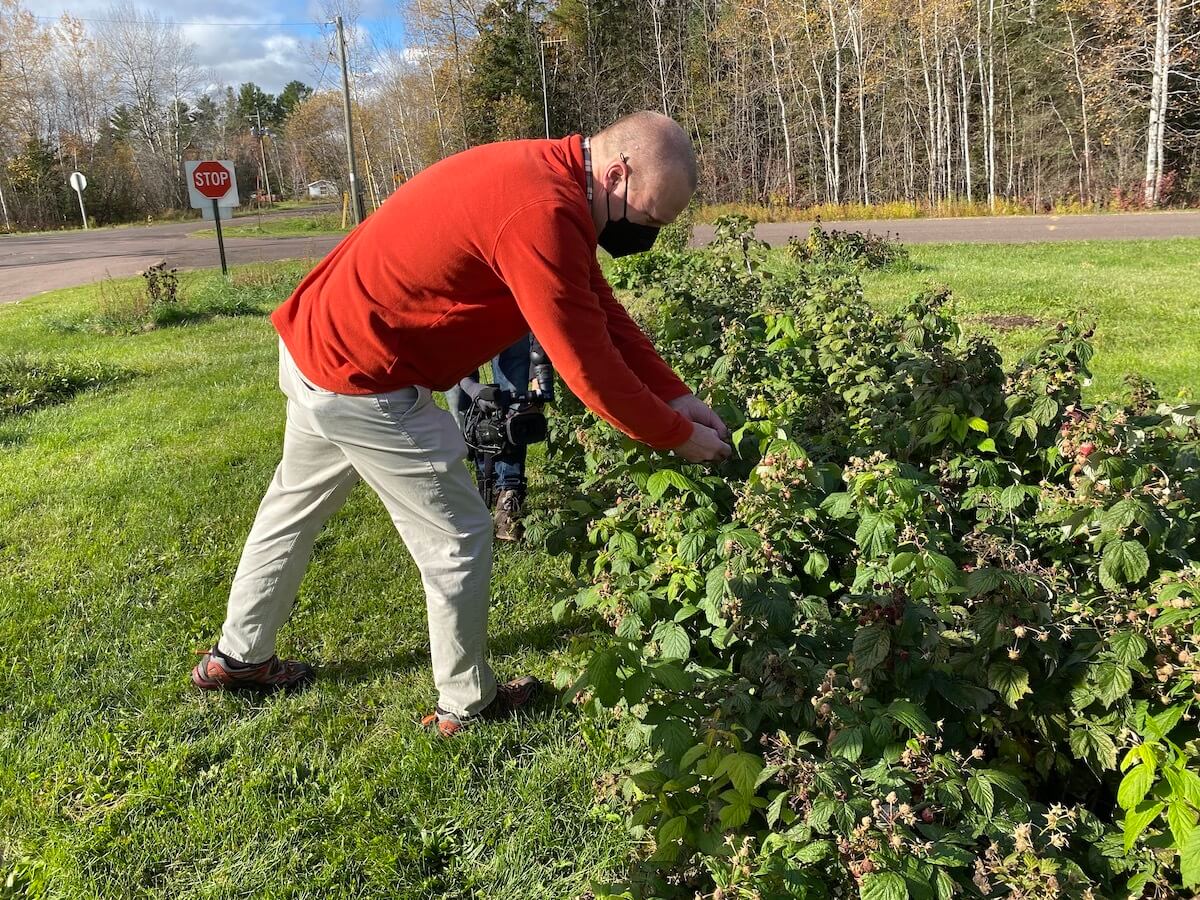
“There is so much we can learn from each other,” Schelble said, noting how traditional plants grown at the food sovereignty site have provided relief from eczema, a common problem among tribal members. “It’s exciting to be able to work with youth, and to be nurturing leadership in young people.”
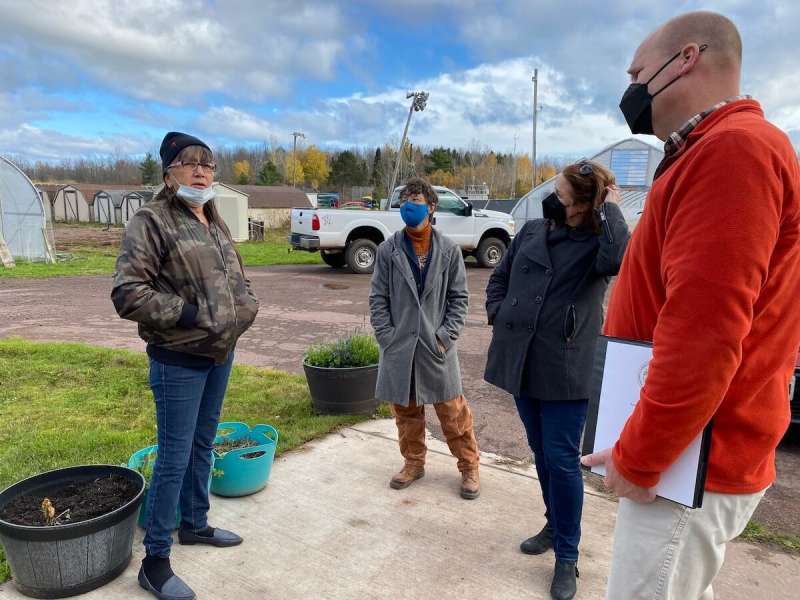
While he toured the food sovereignty site with Livingston and others last week, state Department of Agriculture, Trade and Consumer Protection Secretary Randy Romanski noted the program’s sustainable growing methods and its positive impact to reach out to the surrounding community. He praised the effort to connect youth to food, hopefully leading to future positive health outcomes.
At one point, as Livingston explained food-growing techniques, Romanski commented on the importance of local, nutritious food in improving people’s health.
“That food came from right here,” Romanski said. “That is exactly the kind of local food connection we are looking for.”
‘Benefit the People’
In fact, Romanski said, the food sovereignty program is an example of the kind of locally grown food being connected to its surroundings his department would like to see more of in Wisconsin. Such connections have become increasingly important, he said, as already existing food distribution problems became worse during the coronavirus pandemic.
“This [program] really is a good snapshot of the diversity of agriculture we have here in Wisconsin, and how locally grown food can benefit the people of this state,” Romanski said.
Livingston and Schelble hope to do even more with the food sovereignty project in the future. The coronavirus pandemic has disrupted some of their efforts, they said, but they are planning future activities and gatherings to grow, teach, and organize around food. Through those activities and others, Livingston said she hopes to continue to use food as a unifier.
“It creates such a community feeling, a sense of camaraderie,” she said. “Food really brings people together, and it seems like we really need that in today’s world.”