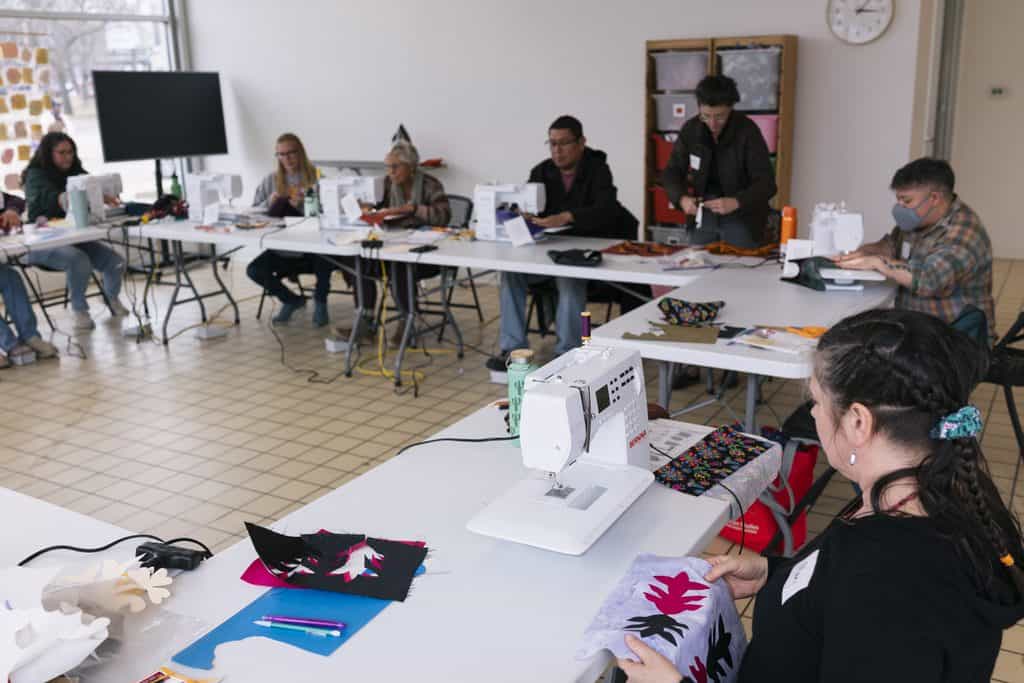
No longer just hobbies for your grandparents, heritage crafts such as weaving, knitting, woodcarving, sewing, and pottery are back in vogue and appeal to all ages. Learning these skills on your own can be a real challenge, however. Instructors at community centers, universities, and folk schools happily teach these skills in a supportive environment. Classes can be as short as a day or as long as eight weeks.
Many tutorials span a weekend, so you can learn in a retreat-like setting that includes overnight accommodations. This way, you’re less likely to get distracted than you might be at home. Then, once you’ve mastered the basics, multi-session courses that go deeper. If you’ve been pondering how to unplug, these workshops are a great way to do so, while also serving as a form of meditation, because it’s easy to lose track of the time when you’re trying something new.
Here are seven destinations around Wisconsin passionate about teaching ancient arts. As you plan your trip, ask whether the school offers on-site lodging. (Many do.) Staying within a close walk of the classroom or studio, and socializing with other students, creates a camp-like vibe. This could be in a dormitory-type setting or private accommodations. After this immersion in the arts, expect to return home restored—and armed with a new hobby, too.
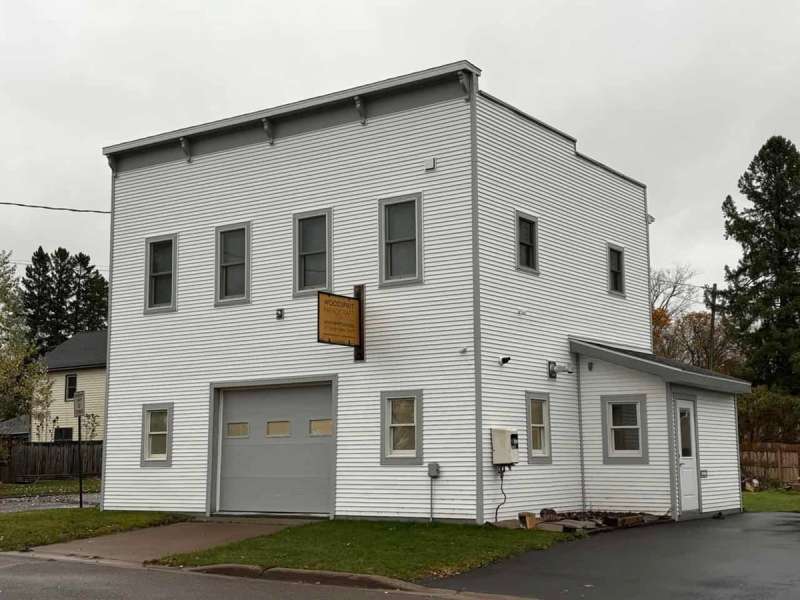
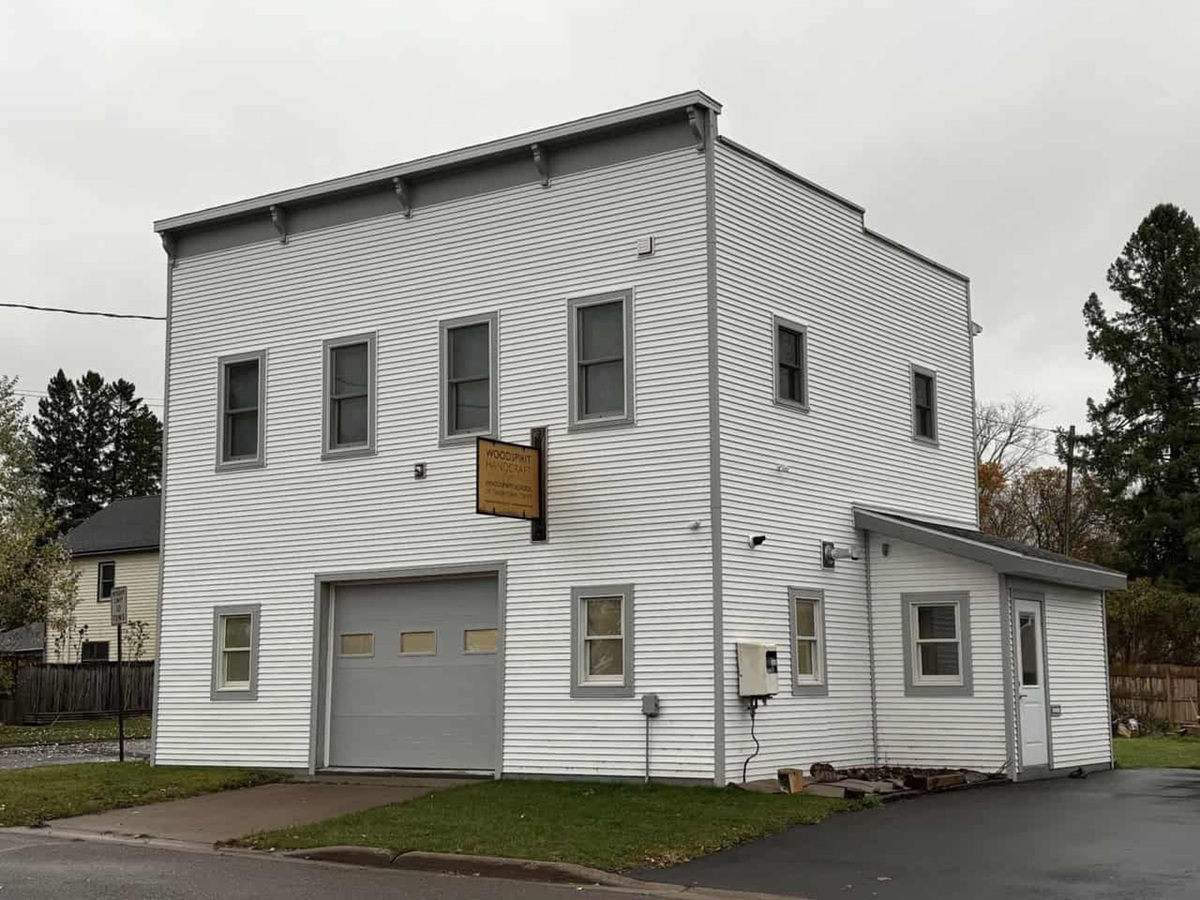
Woodspirit School of Traditional Craft, Ashland
Just two blocks south of Chequamegon Bay, which feeds into Lake Superior, this craft school focuses on many disciplines, including basketry, wood carving, textile arts, indigo dyeing, and wood turning. Classes are as short as one day and as long as a three-day weekend.
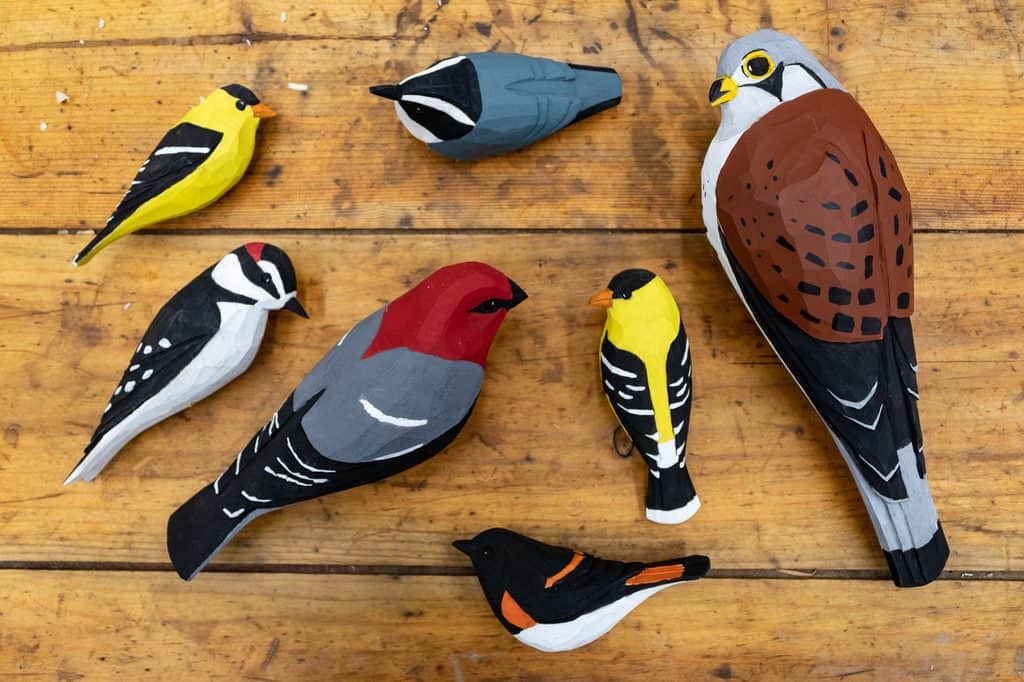
An upcoming textile-arts class teaches participants to sew a Swedish tunic with a homesteader focused on historical crafts, and a recent woodworking class taught participants to carve songbirds commonly found along Lake Superior, resulting in colorful works of art.
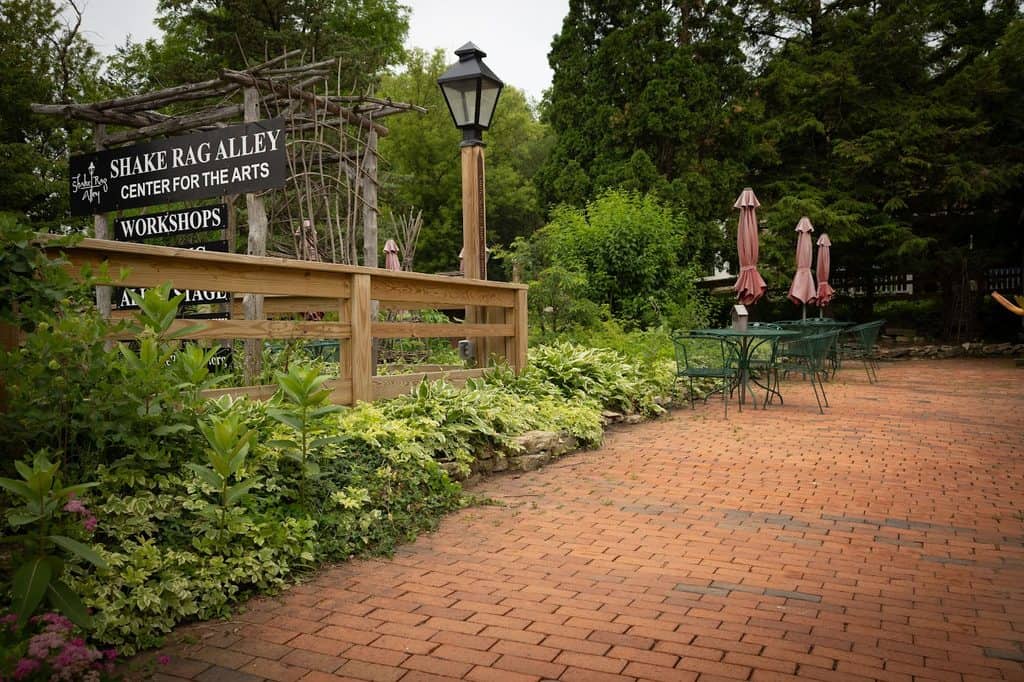
Shake Rag Alley Center for the Arts, Mineral Point
This arts-oriented community, an hour’s drive west of Madison, is anchored by the Shake Rag Alley Center for the Arts, with downtown streets lined with galleries. The center hosts workshops and retreats that last anywhere from one to three days. In addition to fiber arts (weaving, knitting, and felting), some of the skills taught here aren’t easy to learn elsewhere in Wisconsin.
These include lace stenciling (which can be applied to note cards), rug hooking, Japanese Boro mending, and turning a gourd into a vase. Because many workshops are held each month, they’ve become annual retreats, and returning participants are now good friends. This creates a community of artists learning and growing together.
Sievers School of Fiber Arts, Washington Island
On this laid-back, sparsely populated island off the Door County peninsula, accessible only by ferry, Sievers School of Fiber Arts hosts classes and retreats every season except winter. The school was founded in 1979. Despite its name, the classes aren’t only about fiber arts (knitting, spinning, weaving).
You can also take a course in basketry, Sashiko stitching, Shibori and indigo dyeing, batik, and quilting. While the weaving classes are traditional in scope, there’s also a class in Navajo weaving techniques offered every year. For all classes, students can stay across the street in a communal-housing environment, which is helpful as the island has limited lodging options. Sievers School of Fiber Arts also sells in its retail shop books, patterns, yarns, and other tools to help you continue crafting at home.
Textile Arts Center of Madison, Madison
Open only since 2023, the Textile Arts Center of Madison has quickly become a popular spot for creatives to hang out, study, and learn a new craft. Workshops fall under four categories: Needle & Thread, Yarn Arts, Wet Work, and Everything Else (felting and book arts, for example). They are as short as one day or can go up to four sessions. Students’ work can also be entered into exhibitions and shows hosted at the Textile Arts Center of Madison.
In addition to classes and workshops, the center hosts maker meet-ups, a membership-based open studio, and a mending lab where attendees learn to repair clothing and household textiles with needle and thread.
ABK Weaving Center, Milwaukee
In the heart of Milwaukee—tucked into the artsy Riverwest neighborhood, on the lower level of a Milwaukee Public Schools middle school (Frederick J. Gaenslen School)—is this long-time weaving center. It’s a hub for local hand weavers and teaches fiber arts (felting, knitting, and hand weaving) to beginners.
In the eight-week “Weaving Beginner Basics” class, you’ll learn how to warp the loom, try out different weave structures, and complete a project such as a scarf, all with guided instruction. Then, in a follow-up eight-week session called “Weaving Basics and Beyond,” students expand on that knowledge and also take on their own project, working with a mentor.
The Clearing Folk School, Ellison Bay
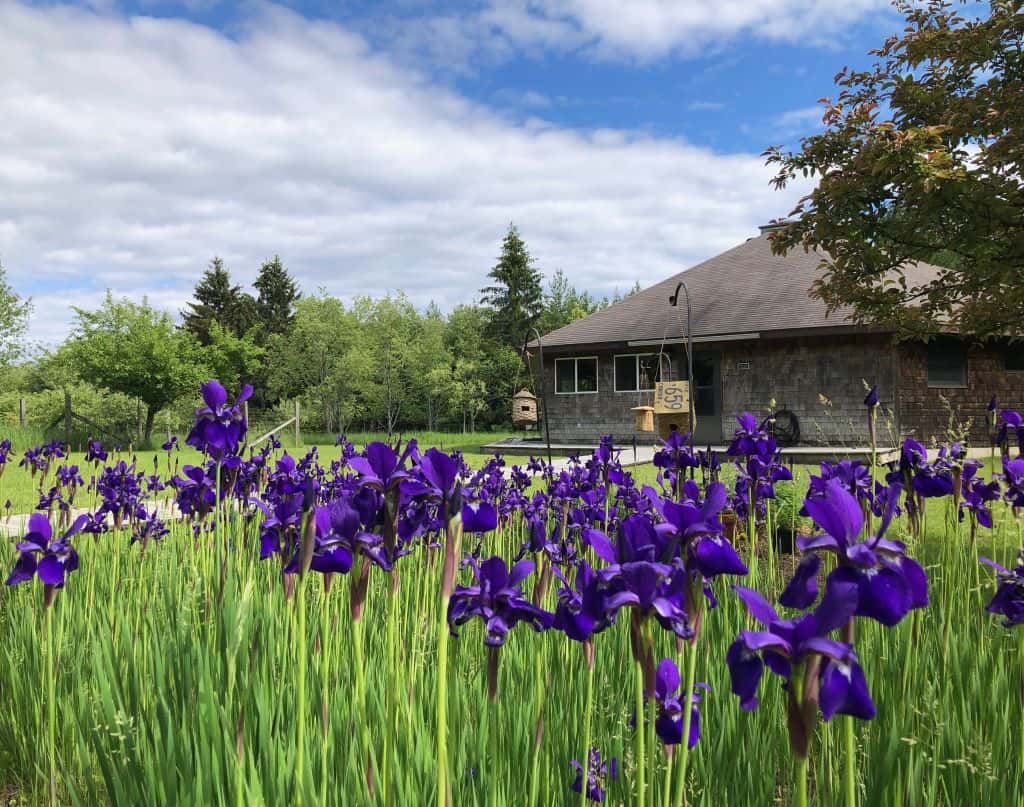
On a 128-acre forested property established by famed landscape architect Jens Jensen in 1935, every week-long class at The Clearing Folk School is designed as a retreat. Classes are split between the Summer Program (May through October) and the Winter Program (late January). Winter is a cozy time to be here, while the other months are opportunities to experience the property’s hiking trails and see flowers in bloom or autumnal foliage.
Meals are served family-style in a dining hall, and students bunk in adorable (thankfully modernized) log cabins. In terms of the classes, there’s everything from learning to knit a pair of socks to quilting, hand-spinning and woodturning. Glass fusing, copper forging and blacksmithing classes take full advantage of state-of-the-art studios, although these crafts are, of course, centuries old.
Tooth + Nail Studio and Gallery, Milwaukee
In 2024, artist Janelle Gramling opened this studio/gallery within a large warehouse (Lincoln Warehouse) in the city’s Bay View neighborhood. Nearly every day of the month there’s an evening class that’s a one-off—topics include ceramic candle holders, ceramic planters, and hand-painted potion bottles—while the wheel-throwing tutorials last for four or six weeks.
The first and third Saturdays are “Date Night Wheel Throwing,” so you and your sweetie can try out a pottery wheel together, with romantic lighting, appetizers, desserts, and drinks that make the evening feel special.
This article first appeared on Good Info News Wire and is republished here under a Creative Commons license.
Related: Step into “The Gilded Age” at these 9 Wisconsin mansions and historic sites