Season four of HBO’s “The Gilded Age” is set to release this November, and fans are excited. I’ll admit, I’m still trying to catch up as I’m only on season two. But I’ve seen enough to understand the captivation.
From high-society drama and breathtaking fashion to a front-row seat to the late 19th century’s extreme wealth, the show is a total feast for the senses.
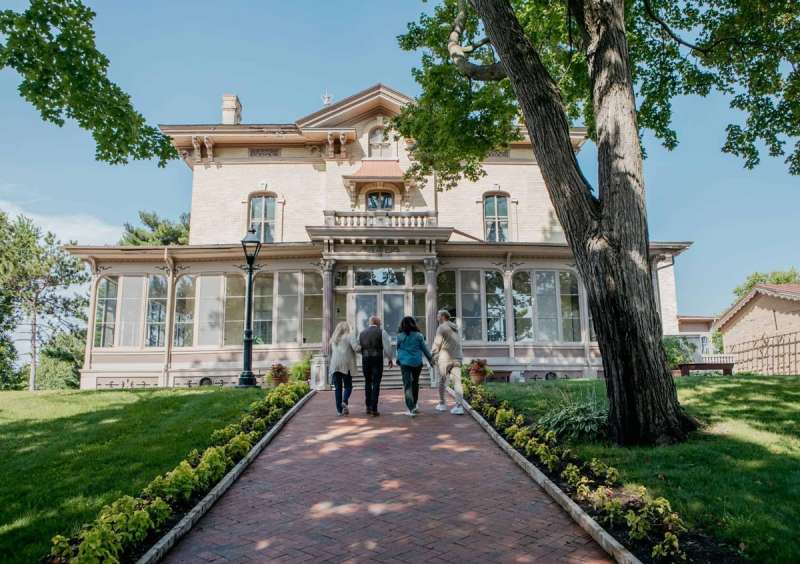
What if I told you you could step into “The Gilded Age” in real life? While the show’s heavy hitters built their empires in New York City, Wisconsin had its own tycoons and barons building gorgeous estates right in our backyard.
From a sprawling lakeside summer home turned museum to a historic hotel where you can still book an overnight stay, here is how you can step straight into the real-life Gilded Age in one of these Wisconsin mansions.
Lake Geneva: The “Newport of the West”
After the Civil War, wealthy families from Chicago started coming to Lake Geneva, Wisconsin, and the town became a resort destination for the Midwestern elite. The families began construction on several mansions around the lake, and Lake Geneva became known as the Newport of the West. I like to think Mrs. Russell would have loved it if she hadn’t already had a vacation home in the real Newport, Rhode Island.
Today, the charming small town remains a popular vacation spot, with plenty of Gilded Age sites still standing.
Black Point Estate
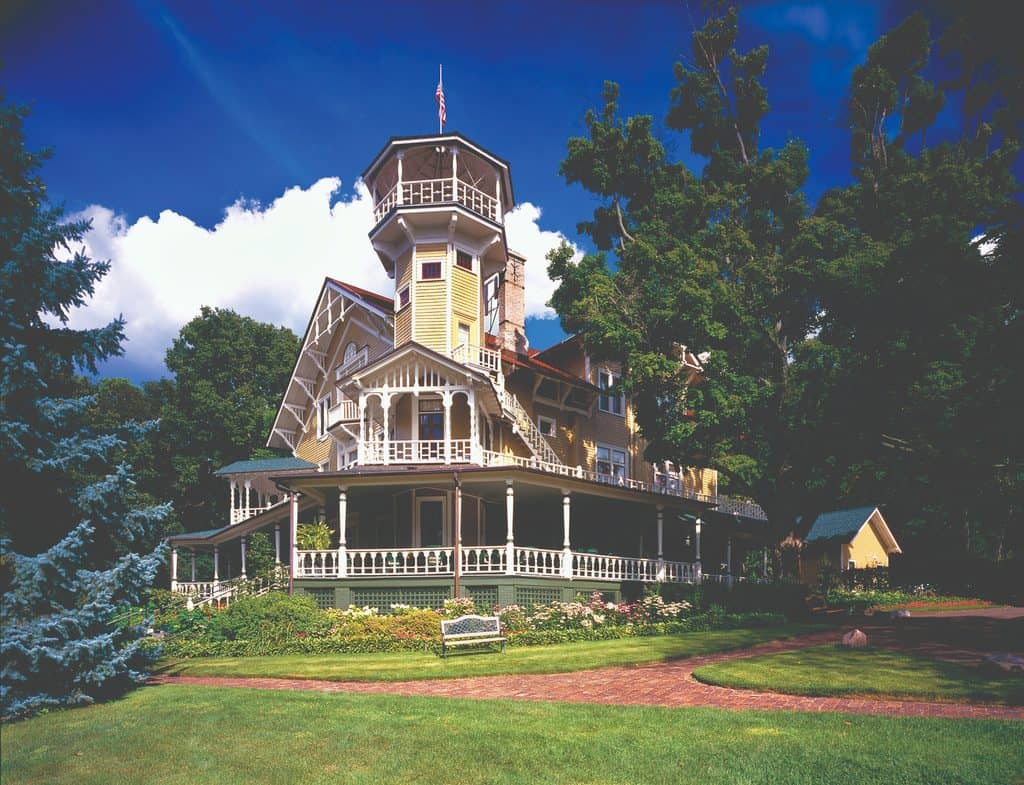
Black Point Estate is considered one of the best examples of Queen Anne architecture and houses one of the most complete collections of Victorian furnishings in the Midwest. The 20-room “cottage” was commissioned by Chicago beer baron Conrad Seipp as a vacation home. Construction was completed in 1888. The house included 13 bedrooms and one bathroom and sat on nearly 27 acres, including the Lake Geneva shoreline.
Today, as back then, the only way to visit is by boat. Tours, which include a 45-minute scenic lake cruise, run from May through October.
The Baker House
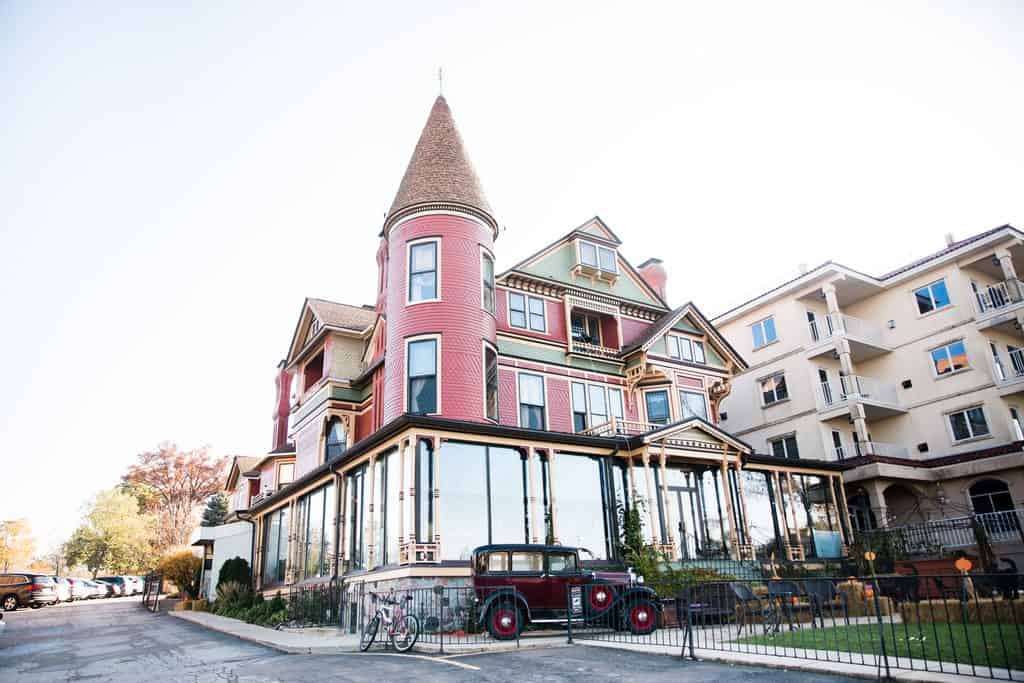
For those looking to stay overnight in a Gilded Age mansion, look no further than the Baker House. The house was built in 1885 by Emily Baker, the widow of Robert Baker, a Wisconsin state senator. The house began as a private summer residence but has since taken on many incarnations, including a fashionable sanatorium for Chicago’s elite, a Prohibition-era speakeasy, and the hotel and restaurant it is today.
The house was lovingly restored in 2010 and includes many original details, such as inlaid wood floors made from five different species of wood and ornate fireplaces surrounded by floor-to-ceiling, hand-carved mantels.
Yerkes Observatory
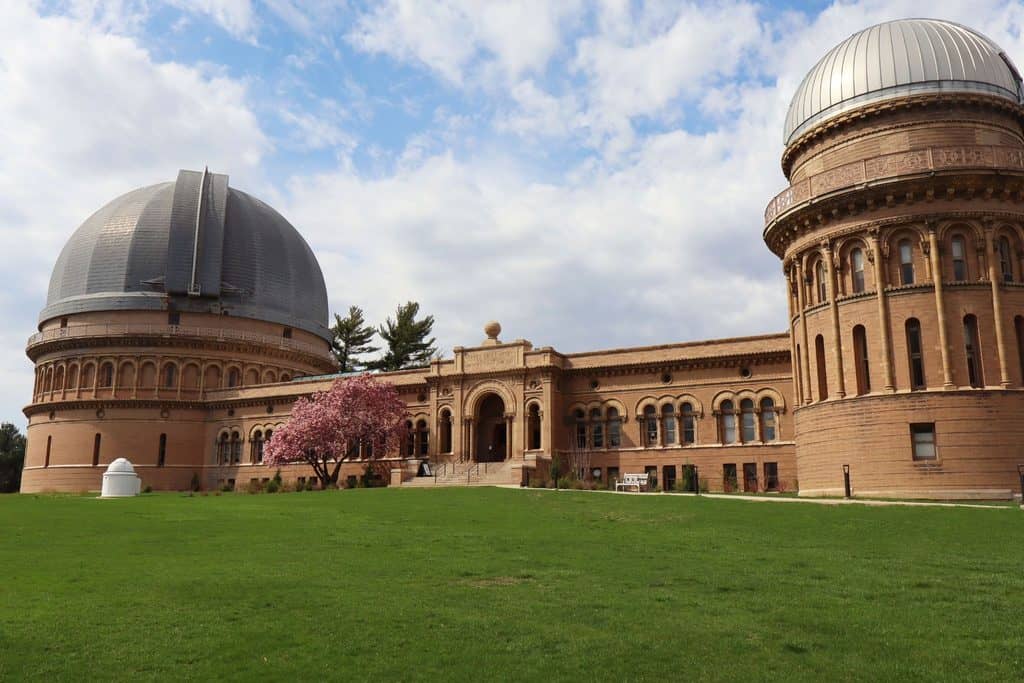
While not a mansion, the Yerkes Observatory is another great example of Gilded Age splendor near Lake Geneva. Construction began in 1895 and was completed in 1897. Besides its beautiful architecture and grounds, the observatory is scientifically significant. When it opened, it had the world’s largest telescope. Today, it still houses the world’s largest refracting telescope.
Often called the “birthplace of modern astrophysics,” the observatory has welcomed and employed some of the greatest figures in astronomy and physics, including Edwin Hubble, Nancy Grace Roman, Carl Sagan, and Albert Einstein. The observatory is open to the public, with several tours available for history and astronomy fans alike.
Milwaukee: Brewing empires and grand hotels
Thanks in large part to German immigrants, Milwaukee quickly became the nation’s beer capital. With that designation came plenty of beer barons and enough resources to create some spectacular Gilded Age sites. While many of the original mansions have since been destroyed in the name of progress, a few gems remain.
The Pabst Mansion
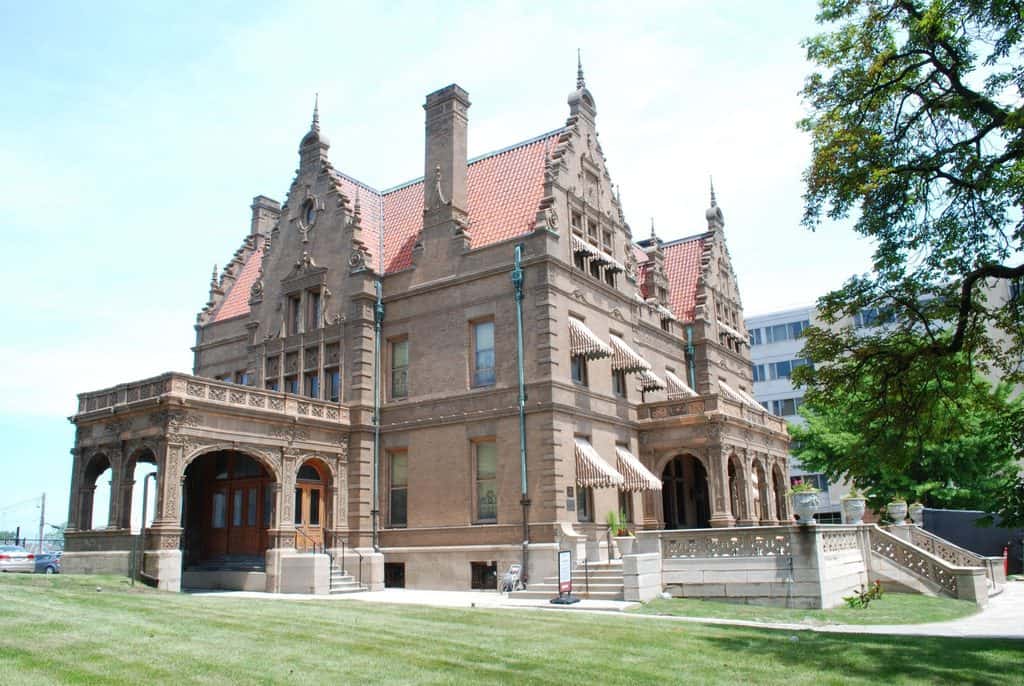
The crown jewel of Milwaukee’s Gilded Age houses is the Pabst Mansion. Built in 1892, the mansion was home to Captain Frederick and Maria Pabst of Pabst Brewing Company. It took two years to complete and cost around $254,000. That’s the equivalent of over $9 million today. As leading figures of Milwaukee high society, the Pabsts filled the mansion with treasures and artwork and hosted grand parties and weddings.
The mansion was nearly torn down in the 1970s to make way for a parking lot, but luckily it was spared. Today, you can tour the former residence turned award-winning house museum, and enjoy the ornate architecture along with the nearly 5,000 decorative and fine art objects now comprising the Pabst Mansion Collection.
The Pabst Theater
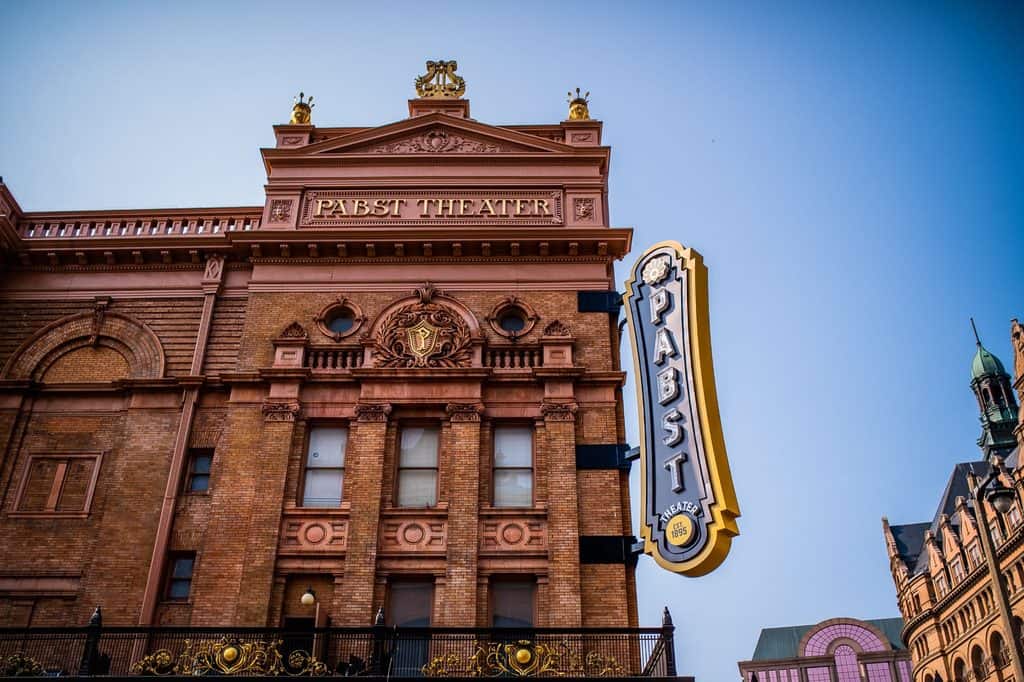
Built a few years after the mansion, the Pabst Theater was completed in 1895. It remains a treasure in Milwaukee’s theater district, known for its distinct European opera house aesthetic. It is one of the longest continuously operating theaters in the country and hosts more than 100 events each year.
Pfister Hotel
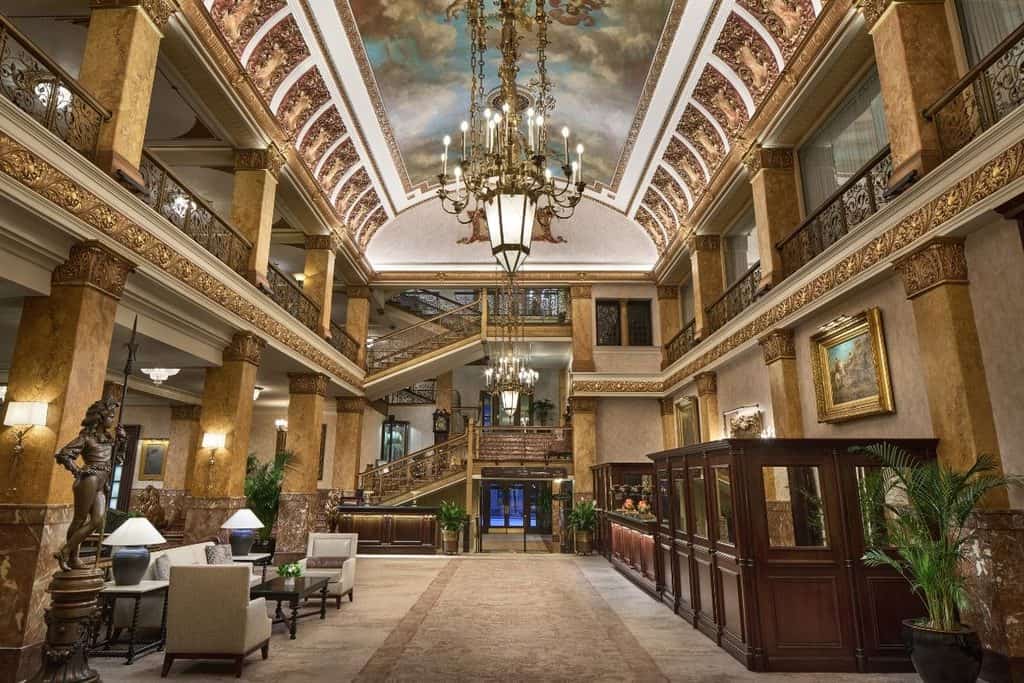
After touring the Pabst Mansion and catching a show at the Pabst Theater, you can round out your day by exploring Gilded Age Milwaukee with a stay at the Pfister Hotel. This historic hotel, opened in 1893, earned the nickname “Grand Hotel of the West,” and was considered one of the most lavish of its time. Costing nearly $1 million, it featured innovations such as fireproofing, electricity, and individual thermostat controls in every room.
Collected by the original owners, Guido and Charles Pfister, the hotel also houses the largest Victorian art collection of any hotel in the world. You can explore the collection on a self-guided tour or schedule a tour with the hotel’s current Artist-in-Residence. Over 130 years later, the hotel is still a symbol of luxury in Milwaukee. If you don’t want to stay the night, consider going to Afternoon Tea—a daily event full of elegance and charm that Mrs. Van Rhijn would surely approve of.
The Mississippi River and Northwoods
While the brewing industry bustled in Milwaukee, fortunes were made further north and west in timber, mining, and trapping. Rapidly expanding American cities needed raw materials from Wisconsin, allowing industrious individuals to build the wealth needed to commission the fine mansions you can visit today.
Villa Louis
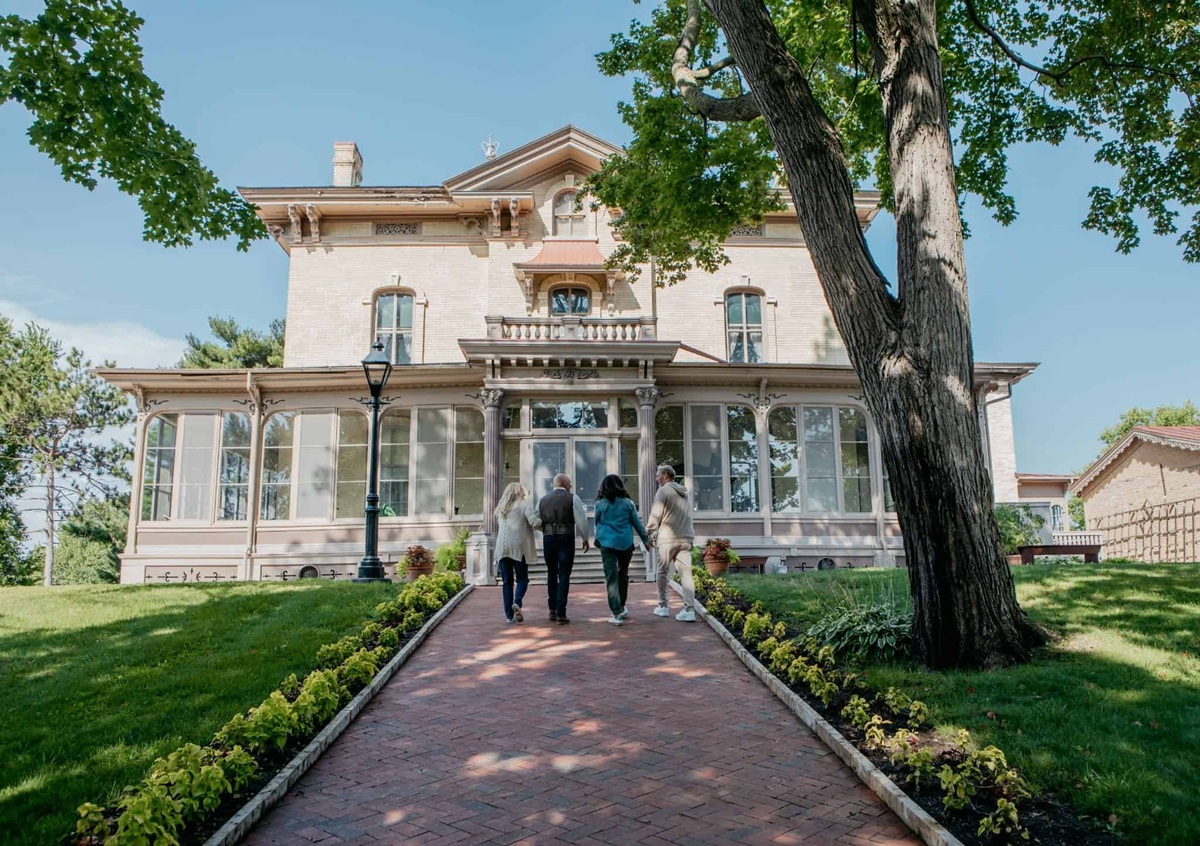
If you are near Prairie du Chien, Wisconsin’s second-oldest city, dating back to 1785, be sure to stop by Villa Louis. The Dousman family built the mansion in 1871. The family made its fortune in the fur trade, which allowed them to build this gorgeous Italianate-style home. Today, the 25-acre site includes more than a dozen historic structures you can visit in addition to the mansion, including buildings from the fur trade, the foundations of Fort Crawford, and Wisconsin’s only War of 1812 battlefield.
The Cook-Rutledge Mansion
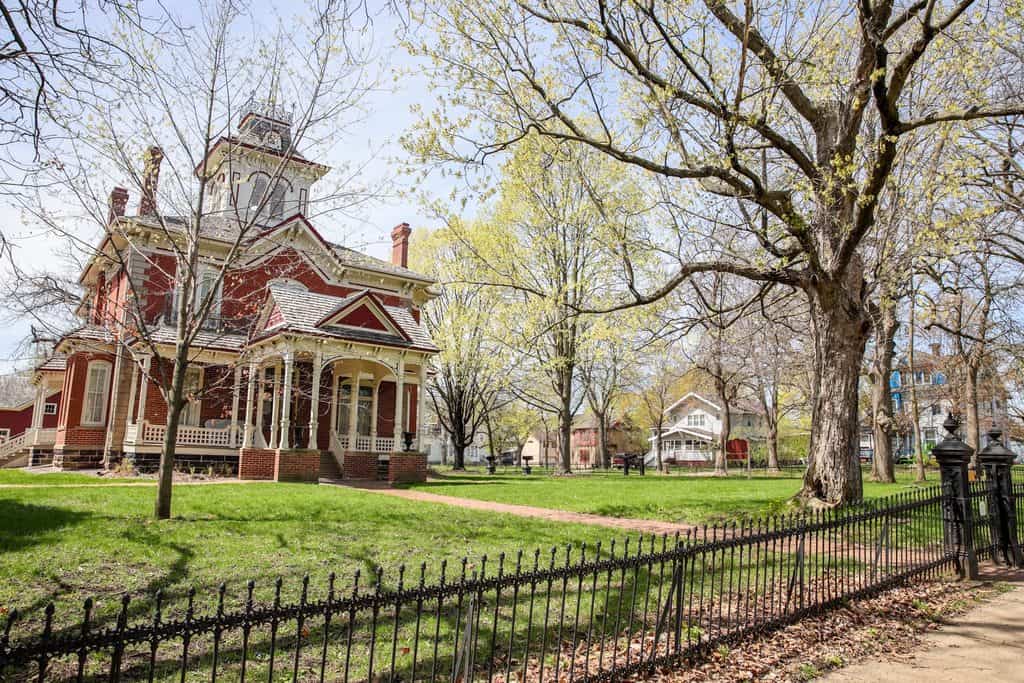
Located in Chippewa Falls, Wisconsin, the Cook-Rutledge Mansion was built in the 1870s, though the house we see today largely reflects the extensive renovations and additions lumber baron Edward Rutledge made in 1887. The home is known for its exquisite combination of carved woodwork, crystal chandeliers, stained glass windows, and unique fireplaces.
Today, the home is considered one of Wisconsin’s best examples of High Victorian Italianate architecture. Guided tours are offered year-round, and you can even rent the house for special events.
Fairlawn Mansion
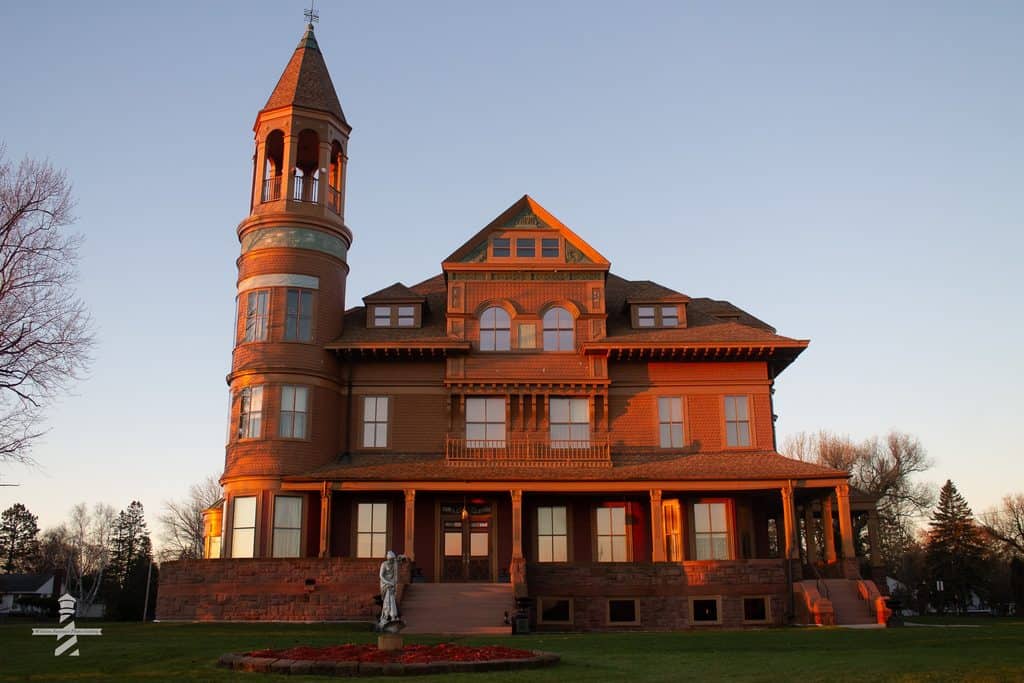
This Superior, Wisconsin, mansion was originally the family home of lumber and mining baron Martin Pattison. Built in 1891, it cost around $150,000, which is more than $3 million today. Perhaps the most distinguishing feature of the Queen Anne Victorian house is its four-story tower with a widow’s watch overlooking the bay.
Today, you can tour the mansion year-round. The first floor includes gilded murals, marble and tile fireplaces, and original leaded and stained-glass windows. The second floor includes the primary bedroom suite and is furnished very much like it was during the Pattisons’ time at the house. The museum’s third floor is dedicated to the mansion’s time as a children’s home from 1920 to 1962.
This article first appeared on Good Info News Wire and is republished here under a Creative Commons license.
Related: Get a taste of the 9 oldest restaurants in Wisconsin