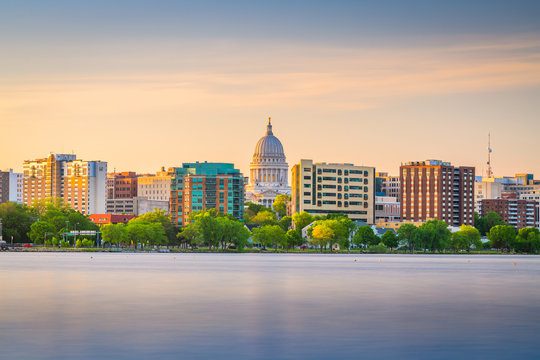
Madison's skyline. Credit: Adobe Stock
Few views rival the ride into downtown Madison along John Nolen Drive, between Lake Monona and Monona Bay. In the day, the light brightly bounces off the creme capitol dome and, at night, the illuminated dome looks like a larger-than-life child’s night light. But there’s a reason the Capitol dome always appears so pronounced.
In 1966, the city passed the Capitol View Preservation Ordinance (which later became state law) banning any building within a mile of the Capitol from being taller than the base of the columns supporting its dome.
For those keeping score, the Wisconsin State Capitol Building is 284 feet tall. Milwaukee’s US Bank Center is about twice that height at 601 feet. And Chicago’s Willis (Sears) Tower is roughly five times that at 1,451 feet.
LIST: The Tallest Buildings in Madison
🌃 Why Then? The story goes: City officials were so startled by the construction of Van Hise Hall, which, at 19 stories and 243 feet, is just 41 feet shorter than the Capitol, they passed the ordinance ensuring no future buildings will obstruct the city’s skyline.
MORE: Madison Named the Most Neighborly City in America
🌃 What Now? As luxury high-rises continue to go up across Madison, developers have occasionally looked into stretching the restriction, but for now, the rule remains intact. Madison Magazine writer Jeff Oloizia did ask that question in his 2023 story, “Will Downtown Madison Ever Ditch Its Height Restriction?” He concluded the answer was probably, but not definitively, not. In 2014, now-retired state Sen. Fred Risser even suggested expanding the protected zone from one to two miles.
Author

Support Our Cause
Thank you for taking the time to read our work. Before you go, we hope you'll consider supporting our values-driven journalism, which has always strived to make clear what's really at stake for Wisconsinites and our future.
Since day one, our goal here at UpNorthNews has always been to empower people across the state with fact-based news and information. We believe that when people are armed with knowledge about what's happening in their local, state, and federal governments—including who is working on their behalf and who is actively trying to block efforts aimed at improving the daily lives of Wisconsin families—they will be inspired to become civically engaged.

Lake Mendota’s Ancient Canoes Reveal Secrets of Wisconsin’s Indigenous Past
First Nations members and the Wisconsin Historical Society have been uncovering ancient canoes in Lake Mendota since 2021. The discoveries paint a...
50 years after sinking, the legendary Edmund Fitzgerald still has stories to tell
A half century after the Great Lakes' most famous shipwreck came to rest on the floor of Lake Superior, the SS Edmund Fitzgerald’s grip on the...
A timeline of the storied history behind Wisconsin’s former Badger Army Ammunition Plant
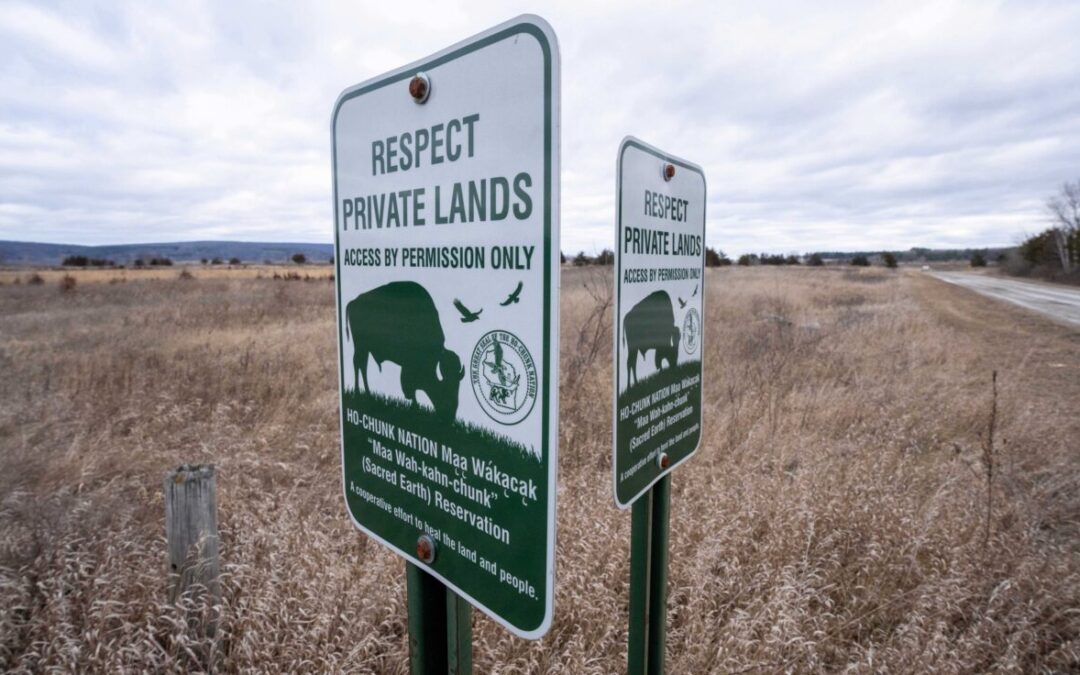
The land which once held a massive munitions plant near Devil's Lake State Park has had many chapters. From the prairie home of the Ho-Chunk Nation,...
5 unsung films that dramatize America’s rich labor history
By Peter Dreier, Occidental College The U.S. is in the midst of a new upsurge of union organizing. Is a Hollywood drama about angry Starbucks...