Photo: Ken Schulze/Shutterstock
Across the country, rural Americans are facing challenges that go far beyond headlines and statistics: An Appalachian woman whose life was saved by Medicaid worries that rural areas will be hit especially hard by federal health care cuts. Farmers in isolated communities fear that efforts to privatize the US Postal Service will leave them unable to receive medications by mail or return mail-in ballots. A family farmer laments the impact of an immigration raid on his small town’s economy and social fabric.
For millions living outside the nation’s big cities, these stories are the lived reality of political choices and shifting federal priorities.
In its 2025 Rural Policy Action Report, released this week as a “Roadmap to Rural Progress,” the Rural Democracy Initiative (RDI) makes it clear that these aren’t isolated struggles. They reflect a broader fight to ensure rural people aren’t left behind.
Rollbacks from federal government put rural Wisconsin in jeopardy
Wisconsin’s rural communities have made strides in recent years, the report outlines. 11 Tribal nations in the state received food with support from the Local Food Purchase Assistance Program, while federal funding from the Biden-era Infrastructure and Investment and Jobs Act allowed Chippewa County farmers Larry and Diane Marquardt to seed their prairie plants using solar energy.
But federal cuts put these and countless other initiatives at risk. Rural leaders in the state say common-sense policies and investment in local communities—not large corporations—are key to helping Wisconsin’s farmers and their families thrive.
“Farmers, workers, and small-town families are paying the price while a handful of corporations reap the rewards,” said Danielle Edvick of the Wisconsin Farmers Union. The blueprint outlined by RDI “points the way toward restoring balance with common-sense policies that support fair markets, protect our resources, and put decision-making power back where it belongs: in the hands of rural people,” she continued.
Signs of progress from 2021-2024
With contributions from dozens of local elected officials and rural organizations nationwide, RDI’s report includes a policy scorecard that highlights progress made since 2021 on policies that deliver for rural people. Between 2021-2022, positive investments were made in rural renewable energy, general economic development, farm conservation, and financial relief for farm families who faced discrimination from the USDA.
Progress continued, albeit more slowly, from 2023-2024. RDI details ballot initiatives aimed at ensuring paid sick leave and minimum wage for farm workers, “right to repair” rules that enable rural Americans to make repairs to their own property, and efforts to increase oversight for corporate meatpackers whose dominance threatens small farms.
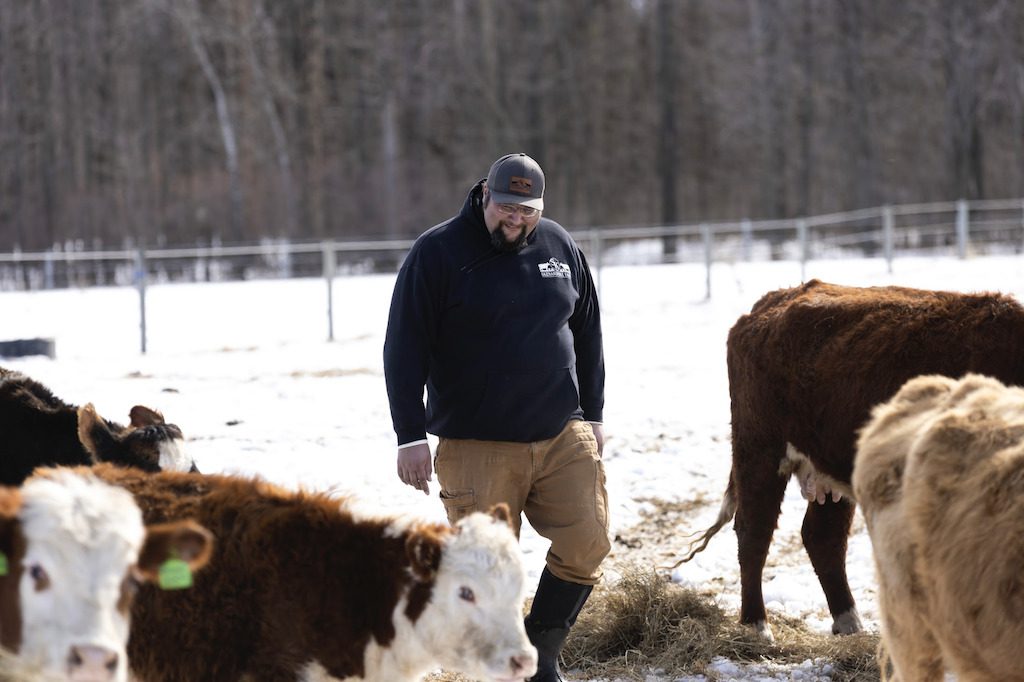
The Local Food Purchase Assistance Program secured food for 11 Tribal nations in Wisconsin. (Rural Democracy Initiative, Contributed)
A marked shift in 2025
Since the start of 2025, the report found that progress in rural policy has been significantly challenged and even halted by cuts and closures at the federal level.
The Trump administration has frozen programs and altered policy that directly affects rural communities, including ending rural infrastructure improvements, slashing support for programming that allows schools to purchase healthy food for students directly from local farmers, and removing safety regulations on corporations.
Cuts to Medicaid and shuttered rural hospitals, along with tax breaks for the wealthy and cuts to social programs like SNAP, disproportionately affect rural communities—a central concern for RDI. The Trump administration has also halted efforts for equity and diversity in the agricultural sector by dismantling programs meant to provide support for Black or Indigenous farmers, and they’ve invested billions of taxpayer dollars into detaining immigrants—many of whom work in rural communities.
From shared values to shared prosperity
In looking to the future with the hopes of improving rural communities, the 2025 RDI report suggests four pillars for reform: Reining in corporate greed, investing in foundational local infrastructure, supporting equity, and stewarding land and natural resources.
Rural Americans share the same values as most Americans: Safety and security for those they love, financial stability, and the promise of sustainable success for future generations.
For RDI, this looks like ensuring rural workers have fair and affordable access to health insurance, expanding credit and lending options so local businesses can thrive, and encouraging union involvement to secure jobsite safety.
It means prioritizing antitrust legislation that drives business back toward small farms, investing in renewable energy to protect public lands, extending broadband internet access, and increasing access to higher education or career training for young adults—just to name a few.
Rural impact extends beyond rural America
These policies are popular among rural voters, even in battleground states. A 2024 from RDI showed that 92% of likely rural voters in these states support essential funding for rural hospitals and pushing back against medication price gouging. 87% of those polled believe in protecting natural resources from corporate polluters, while 76% support requiring wealthy people to pay their fair share of taxes and help invest in support for working families.
Rural policy progress isn’t a radical idea—it’s a reflection of the people it supports.
A stronger rural America has ripple effects throughout the nation, both economically and socially. While rural communities are often neglected or even scapegoated by politicians, RDI points out that the US “runs on the work and innovation of working people.” By making space for rural interests in the policy-building process, the American economy can thrive “from the bottom up and middle out, not the top down.”
Author


Bird flu found for first time in Wisconsin after Dodge County dairy herd tests positive
Since the first cases of bird flu were confirmed in dairy herds in Texas and Kansas in March 2024, Wisconsin had been among a handful of states...

Retired veterinarian uses pasture for seasonally grazing dairy heifers and extra income
BEAR CREEK, Wisconsin – Earlier this year Jeff and Alex Wepner were looking for a place where their dairy heifers could grow and develop during the...
China is boycotting American soybeans. Wisconsin farmers will pay the price for it, trade group says
As China and the U.S. remain locked in a tense standoff over tariffs, Wisconsin soybean farmers have found themselves in the crossfire of the...

In Portage County, residents fight for a say in local government
One of my favorite photos of my friend Jason Dunkin is a selfie he took where he’s grinning ear to ear. He’s sitting across from his local city...