Opinion: Celebrating Earth Day during the Year of the Kid
Lieutenant Governor of Wisconsin Sara Rodriguez is celebrating Earth Day and “Year of the Kid” by calling for bipartisan action to protect the environment and future generations.
Lieutenant Governor of Wisconsin Sara Rodriguez is celebrating Earth Day and “Year of the Kid” by calling for bipartisan action to protect the environment and future generations.

America has a responsibility to embrace a leadership role in addressing the climate crisis.

The Inflation Reduction Act (IRA) has benefited rural communities in Wisconsin. It must be kept intact.

Implementing the National Mesothelioma Registry will combat misdiagnosis and late detection of this asbestos-exposure-causing cancer.

Transportation Secretary Sean Duffy wants to roll back progress while ignoring the threats to infrastructure and national security from a changing climate.

Madison resident Lisa Goodman says that working as an electrician is the “best thing that ever happened” to her. She was able to pay off her graduate school debt, bought a home on a single income, and has been mostly debt free for the past 14 years.

Wondering if Trump’s tariffs will impact your pocketbook? This Wisconsin farmer breaks down how the president-elect’s pledge to impose tariffs on imports will show up in the grocery aisle.

A decade after the Flint water crisis raised alarms about the continuing dangers of lead in tap water, President Joe Biden is setting a 10-year deadline for cities across the nation to replace their lead pipes.

State Senator Chris Larson highlights Wisconsin's climate challenges and the risks posed by GOP opposition and Project 2025 to clean energy and economic progress.

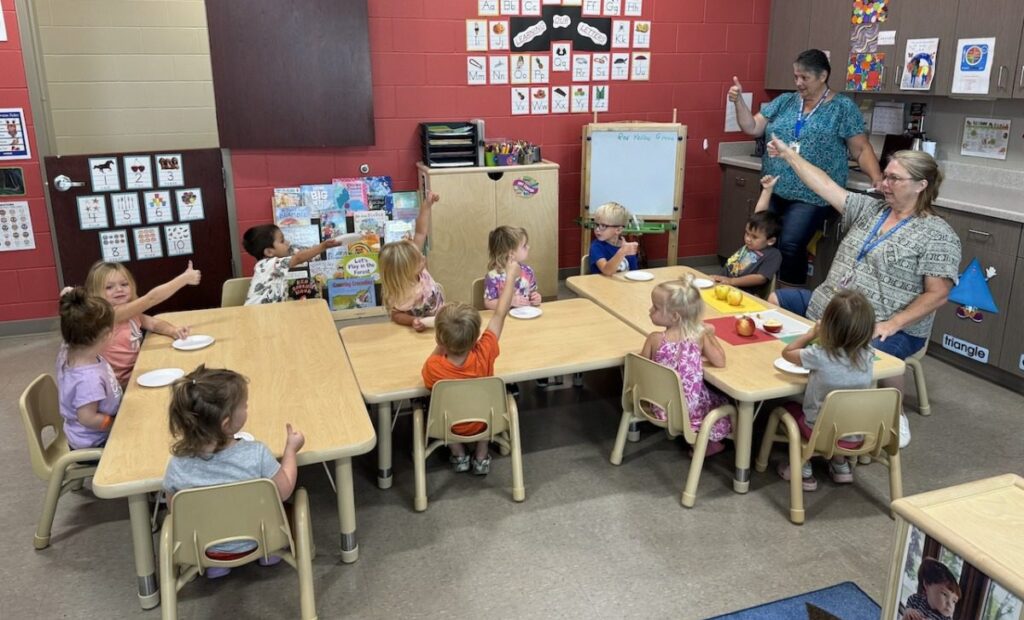
The short answer to how Wisconsin daycares could serve 33,000 more kids? Hire more people to take care of those children. It’s a seemingly obvious answer to a problem that many family advocates in recent years have reached crisis level.
Almost 60% of child care providers across the state have unused capacity—closed classrooms—because of staff shortages. Providers report that if they were able to operate at full capacity, they could serve up to 33,000 more kids.