As an adolescent medicine physician and researcher at the University of Wisconsin-Madison, Dr. Megan Moreno has been studying how young people navigate the online world for over two decades.
“I was doing my fellowship between 2005 and 2008, and I was really fascinated by this new thing everyone was talking about, which was MySpace,” said Moreno, adding that the website felt like a double-edged sword. While MySpace offered users, mostly teens, the opportunity to connect with like-minded communities online, Moreno also remembers early research about how the social media revolution was negatively affecting users’ mental health.
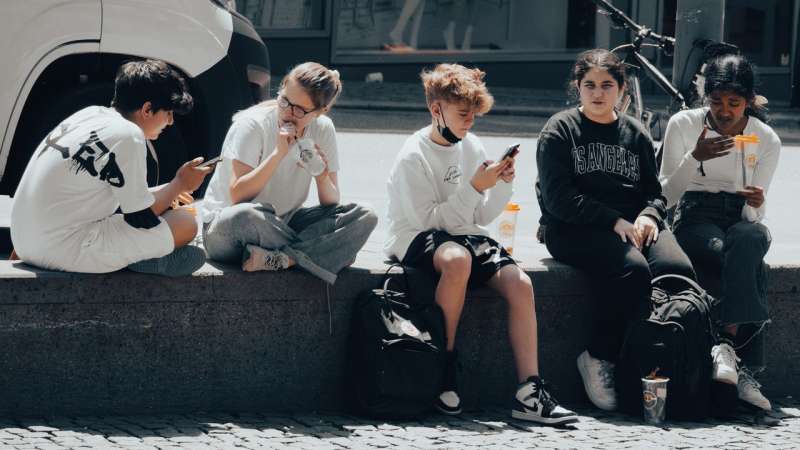
Monroe says those themes remain present today, but have become more complex as many US teens report using multiple social media platforms every day.
“I feel like the youth are like stockbrokers managing a portfolio across different platforms, and I think that has the benefit of being able to optimize what you want, or bring different parts of yourself to different platforms, but it’s a lot to manage,” said Moreno. She added that her patients say the increasing monetization of social media has made it even harder for them to “find their people.”
Moreno researches and tracks how teens use social media as co-medical director of the American Academy of Pediatrics Center of Excellence on Social Media and Youth Mental Health. Over the past year, Moreno and others from The Center have worked with its youth advisory panel, a group of 25 youth from across the country ranging in age from 14 to 19, to understand what social media could look like if it aligned with the minds of young users.
Moreno’s team used their findings to create a guide for tech developers, advocates, health professionals, and policy makers. Their goal was to better understand what teens say they want out of social media—a safe, welcoming, and positive space to connect with friends, learn about the world, and learn about themselves.
Stronger privacy protections are among the issues outlined in the guide. This means disabling location-sharing services on social media for those under 16, developing more accessible blocking and reporting tools, strengthening protections on the photos and videos they post, and creating separate inbox filtering so messages from people they don’t know automatically enter a separate folder.
“In our work, we hear from youth that social media settings are confusing, hard to find, and hard to set up. I think that has been a source of disappointment because there’s so much potential with those settings to have things safer by design, rather than making teens have to work to make their environment better, or asking parents to do it, which teens don’t want either,” said Moreno.
Related: Meta’s ‘teen safety’ tools are failing Wisconsin kids—and Republicans aren’t helping
The guide also establishes that teens want more control of the ads they see on social media and a better understanding of how their data is collected, stored, and used. They want simple, one-click options to opt out of targeted ads so that they aren’t exposed to political ads, diet ads, or ads for products that make them feel insecure.
And while disdain for AI grows nationwide, teens want to explore the technology, but also want additional regulations to keep them safe, especially as more of their peers fall victim to its dark side. This means not allowing AI chatbots to show up in their feeds or contacts lists. When they do seek out information from AI, teens said they want AI to challenge them to think for themselves and not provide therapeutic or medical advice, instead of helping them find trusted resources—and not reinforce harmful beliefs.
As lawmakers nationwide, including those in Wisconsin, work to create and pass legislation to protect teens and other social media users, Moreno hopes this guide will give them a better understanding of what young people really want while they’re online.
“I think that legislation is a really important step to try to better regulate an industry that has demonstrated that it can’t self-regulate,” said Moreno, adding that she wants to see more youth brought into those legislative discussions.
“I would love to see legislators doing more to connect with teens and get a sense of what they think the real issues are. They’re truly the experts in navigating these platforms and listening to what their thoughts are on design elements that would make them safer, but still keep them on the platform, I think is a great way to go,” said Moreno.
Related: Sara Rodriguez says ‘we need better guardrails around tech’ for kids’ online safety