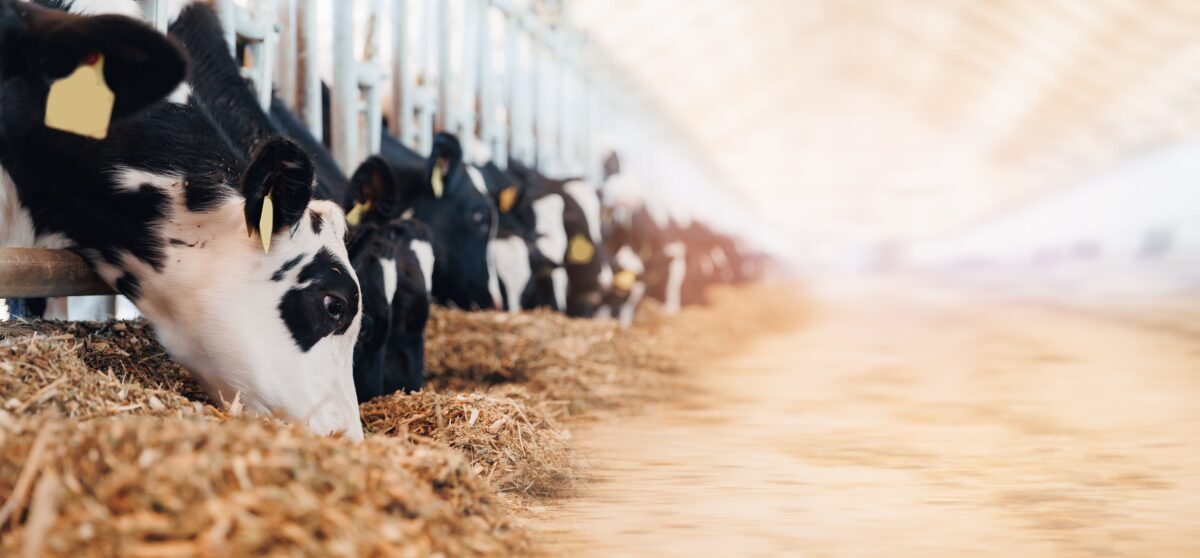
The Wisconsin Department of Natural Resources evaluates a permit application based on the farm's capacity to house and feed livestock and its capacity for adequate manure storage. (Adobe Stock)
The Wisconsin Department of Natural Resources holds its first in-person public hearing in five years this week after Door County residents requested their concerns be heard about a local dairy farm’s expansion into a Concentrated Animal Feeding Operation.
Gilbert Farms is asking to nearly double in size, from about 1,400 animals to more than 2,400. It is the first time since 2020 the DNR has granted an in-person hearing for a CAFO permit.
Annette Vincent, a Door County resident and retired scientist, said for too long, virtual hearings have made it harder for rural residents to fully participate. She called it a “victory for democracy” and for hundreds of residents voicing concerns about the increased potential for water contamination, among other issues.
“There’s a lot of our population right within three to five miles of this CAFO, and predominantly they’re on well water,” Vincent pointed out. “The risks from the CAFO spreading their manure slurry are significant.”
The in-person hearing is scheduled for Nov. 5 at 10 a.m. at Door County Gala in Sturgeon Bay. People can also join virtually. Vincent stressed she is encouraging anyone with concerns to sign up to participate.
Local residents contended expanding Gilbert Farms would bring yet another massive CAFO to a part of Wisconsin which is especially vulnerable to agriculture runoff. Vincent argued Door County’s future is tied to clean water and any potential contamination threatens the town’s thriving tourism economy, which already had a scare in 2014 when some tourists were sickened.
“We had a spreading accident over a sinkhole by a different CAFO,” Vincent recounted. “That event sickened 16 people pretty rapidly, because it traveled right down the sinkhole and got into their wells.”
Rod Miller, a fourth-generation Door County resident, said Gilbert Farm’s liquid manure and wastewater volume would go from about 5.7 million gallons to more than 20 million annually, increasing the chances of another water crisis.
“That volume has to be disposed of,” Miller noted. “Logic would suggest that the volume of liquid waste being applied to the current acreage is going to increase by a factor of about four times. And that is a huge concern.”
The DNR has tentatively approved permits for Gilbert Farms, which it said will require them to follow specific practices for nutrient management, manure storage and land application to protect local water quality. A public hearing is required before the DNR can issue a final permit.
Related: Large Farms Worsen Water Quality Concerns, Report Finds
Author

Wisconsin gas prices up 40 cents in a week as Iran conflict continues
As the U.S.-Israel conflict with Iran continues, the average price of gas in Wisconsin surged above $3 a gallon for the first time this year. The...
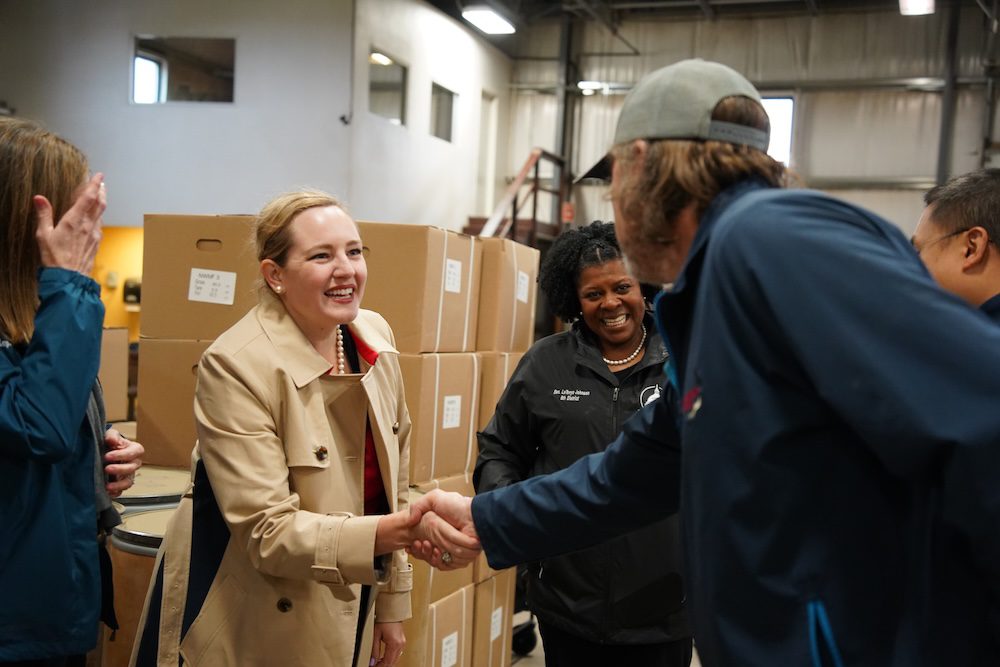
Roys: Wisconsin deserves a governor who fights for families—not billionaires
Wisconsin state Sen. Kelda Roys says she’s ready to “fight for our democracy” and stand up to President Donald Trump as she campaigns for governor...

Oppose ICE? Here’s how you can take action
The moment we’re in The US Senate is currently deciding whether to approve new funding for the Department of Homeland Security (DHS), including...
Oppose ICE? Here’s how you can take action
The moment we’re in The US Senate is currently deciding whether to approve new funding for the Department of Homeland Security (DHS), including...