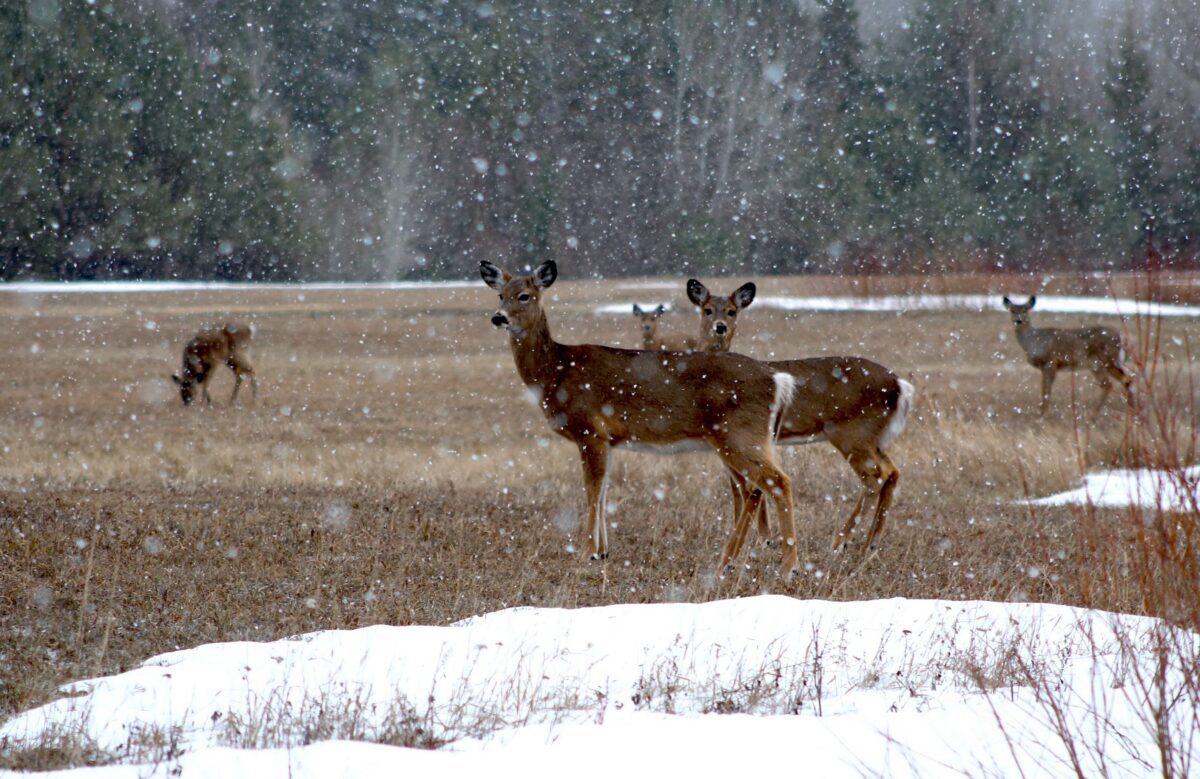
White-tailed deer feed as snow falls in a Sawyer County field in late winter. (USA Today via Reuters Connect)
The mid-March blizzard that tore through Wisconsin was not only big enough to get a name – Iona – and break numerous snowfall records. It also added stress to the state’s wildlife at a critical time of year.
Non-migratory species such as white-tailed deer and wild turkey are typically low on nutritional reserves in late winter and more susceptible to starvation than any other period.
Early bird migrants, including American woodcock and killdeer, can also suffer if snow significantly impedes their access to food for too long.
The storm brought 33.2 inches of snow to Sturgeon Bay, 30.9 to Wausau, 27 to Appleton, 21.5 to Marshfield, 24 to Stevens Point and 16 to Oshkosh, all records, according to the National Weather Service.
Coupled with winds that in places topped 50 miles per hour, Iona drifted roads, shut and closed schools across most of the state March 16.
There is no doubt the blizzard also created problems for Wisconsin wildlife.
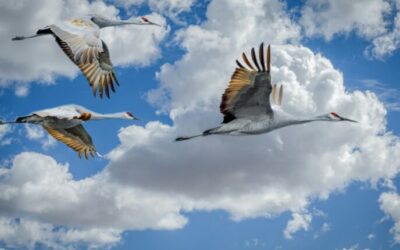
Flocks of sandhill cranes and Canada geese, as well as smaller birds such as fox sparrows, American robins, killdeer and woodcock, had moved into the state in the weeks prior to the storm and suddenly had inches to feet of snow covering their primary food sources.
Such snow cover also makes it harder for white-tailed deer and wild turkey to feed at arguably the most critical juncture in annual survival.
Fortunately for wildlife the winter of 2025-26 had been mild in most of the state through February and, all things considered, non-migratory animals were in decent shape when the storm hit, said Greg Kessler, Department of Natural Resources wildlife biologist based in Brule.
Kessler said the deer and turkeys he’s seen this winter during his field work in Douglas County have looked in good shape, including after the blizzard.
“I’ve yet to find a dead deer or turkey due to starvation, and neither has any of the loggers I’ve talked to,” said Kessler, in his 33rd year as a DNR wildlife biologist in Brule. “We’ve had some losses due to predation, of course, but all in all the deer and turkey are coming through it pretty well at this point.”
Kessler’s field reports are in line with an annual measure developed by the DNR to assess the seasonal effects on deer in northern Wisconsin. Deer elsewhere in the state are rarely affected by winter.
Called the Winter Severity Index, it uses temperature and snow depth data from dozen of Wisconsin sites to produce an estimate of how tough the season has been on wildlife.
The values are obtained by adding one point for each day the temperature is colder than 0 degrees Fahrenheit and one point for each day the snow is 18 inches or deeper.
The data are recorded Dec. 1 to April 30. At the end of the season, if the points total less than 50, it’s considered a mild winter; 50 to 79, moderate; 80 to 99, severe; more than 100, very severe.
This winter most of the state was still in the mild range through the end of February. However part of northern Wisconsin, including Ashland and Iron counties, was at or near severe.
Kessler’s area of Douglas County was in the mild range, with a WSI of 41 at the end of February. He said it would likely will go up by 8 or 9 points due to the blizzard and some other weather events in March.
“Still, things are looking good by historical measures,” Kessler said.
The 2013-14 winter, for example, was the most severe in state history, at 143 points. But recent years have brought more wildlife-friendly winters across the northern portion of the state,, including WSI values of 55 in 2021-22, 69 in 2022-23, 10 in 2023-24 and 32 in 2024-25, according to the DNR.
The mild conditions over the last two years allowed the northern deer herd to increase, part of a record-high 1.82 million deer in the DNR’s 2024 post-hunt deer population estimate.
Keith McCaffery, retired DNR deer biologist, said on March 20 the area near his home in Rhinelander had about 12 inches of snow that was “sagging.”
“If this keeps up, and we don’t get hit with something terrible, I expect the deer and other wildlife will be doing just fine,” McCaffery said.
No reports of unusual, mass wildlife deaths were reported in Wisconsin in the wake of the blizzard, according to the DNR.
That contrasts with a January storm that brought snow and cold to the East Coast. After a Jan. 25 snowfall, subfreezing temperatures persisted for more than a week, freezing the soil and preventing woodcock from foraging for earthworms, their primary food source, according to the Ruffed Grouse Society/American Woodcock Society.
Field observations documented birds concentrating in small patches of unfrozen ground, including grassy areas and road edges where soil temperatures remained marginally higher. Although woodcock are resilient to cold, they have limited energetic reserves, according to RGS/AWS, and with limited to no access to food many birds succumbed to the elements. More than 170 dead woodcock were found at Cape May Point, New Jersey, according to a report in the Cape May County Herald.
Some birds likely flew south in the days after the blizzard to find better conditions in Illinois.
Mark Kakatsch, vice president of the Wisconsin Wildlife Federation who lives in Neosho, said he saw flocks of geese high in the sky flying south after the storm.
Those that stayed had to survive a couple of days before temperatures statewide climbed into the high 30s and higher and began melting snow.
The WSI information will be used by the DNR and the state’s Citizen Deer Advisory Councils in the coming weeks as they meet to begin recommending antlerless deer quotas and season frameworks for the 2026-27 Wisconsin deer hunting seasons.
Trout season opens April 4: In a new regulation, the 2026-27 Wisconsin inland trout harvest season will open April 4, about a month earlier than prior years.
Trout populations are strong across Wisconsin and the additional month of harvest will provide more fishing opportunities at a time of the year when other fishing seasons are generally closed, according to the DNR.
The change was widely supported by the public at the 2025 spring hearings. It applies to the state’s inland streams, springs and spring ponds.
The 2026 season runs April 4 to Oct. 15.
The earlier open harvest season for trout does not apply to inland lakes and ponds. For those waters, the traditional first Saturday in May opener still applies (May 2 in 2026). No changes have been made to the trout season dates or bag limits on Lake Superior, Lake Michigan, Green Bay or Green Bay tributaries, most of which are open year-round.
For more information, consult the Guide to Wisconsin’s 2026-2027 Trout Fishing Regulations.
This article originally appeared on Milwaukee Journal Sentinel: What effect did blizzard Iona have on Wisconsin wildlife?
Reporting by Paul A. Smith, Milwaukee Journal Sentinel / Milwaukee Journal Sentinel
USA TODAY Network via Reuters Connect
Author

Millions of birds have already migrated south for winter. What to know about fall migration in Wisconsin.
Migration season in Wisconsin is in full swing. Million of birds have been migrating across Wisconsin every night since late August, according to...
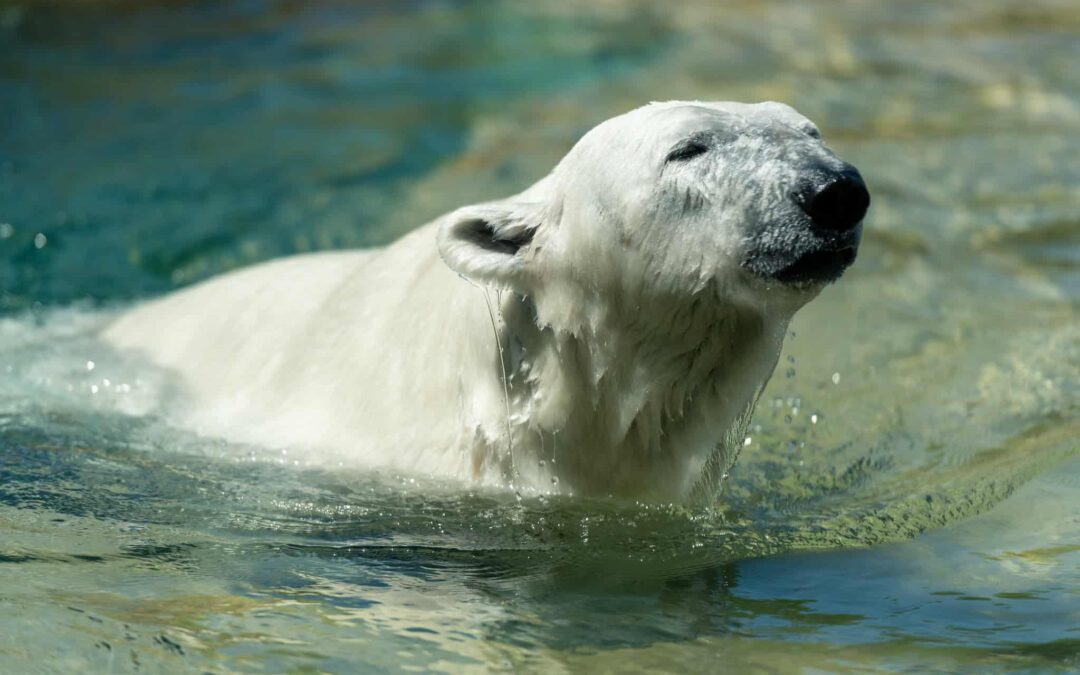
Madison’s Henry Vilas Zoo is about to get even cooler with arrival of new polar bear
The Henry Vilas Zoo is getting ready to welcome a new polar bear to its crew. Here’s everything you need to know about Nora’s arrival from the...
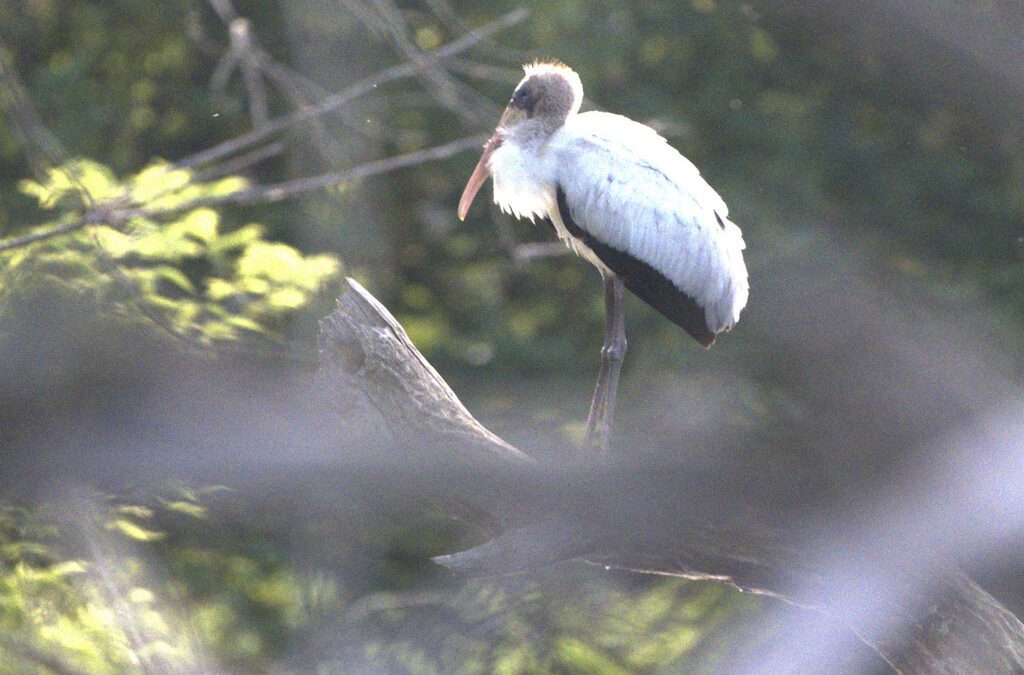
Deer hunter discovers rare subtropical wood stork in the wilds of Wisconsin
MADISON, Wis. (AP) — A very rare and apparently very confused subtropical wood stork somehow found its way to the wilds of Wisconsin. A hunter...
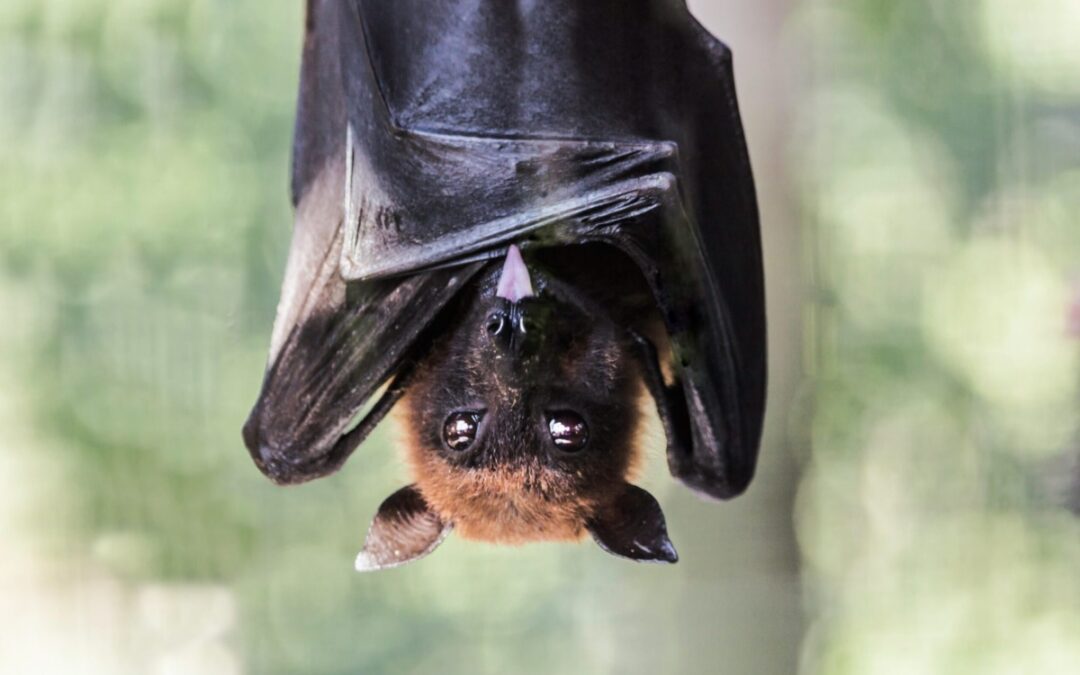
Your guide to supporting Wisconsin’s flying friend: the bat
Learn about how you can join Wisconsin's efforts to help bats during the last days of the 2024 International Bat Week and beyond. As International...