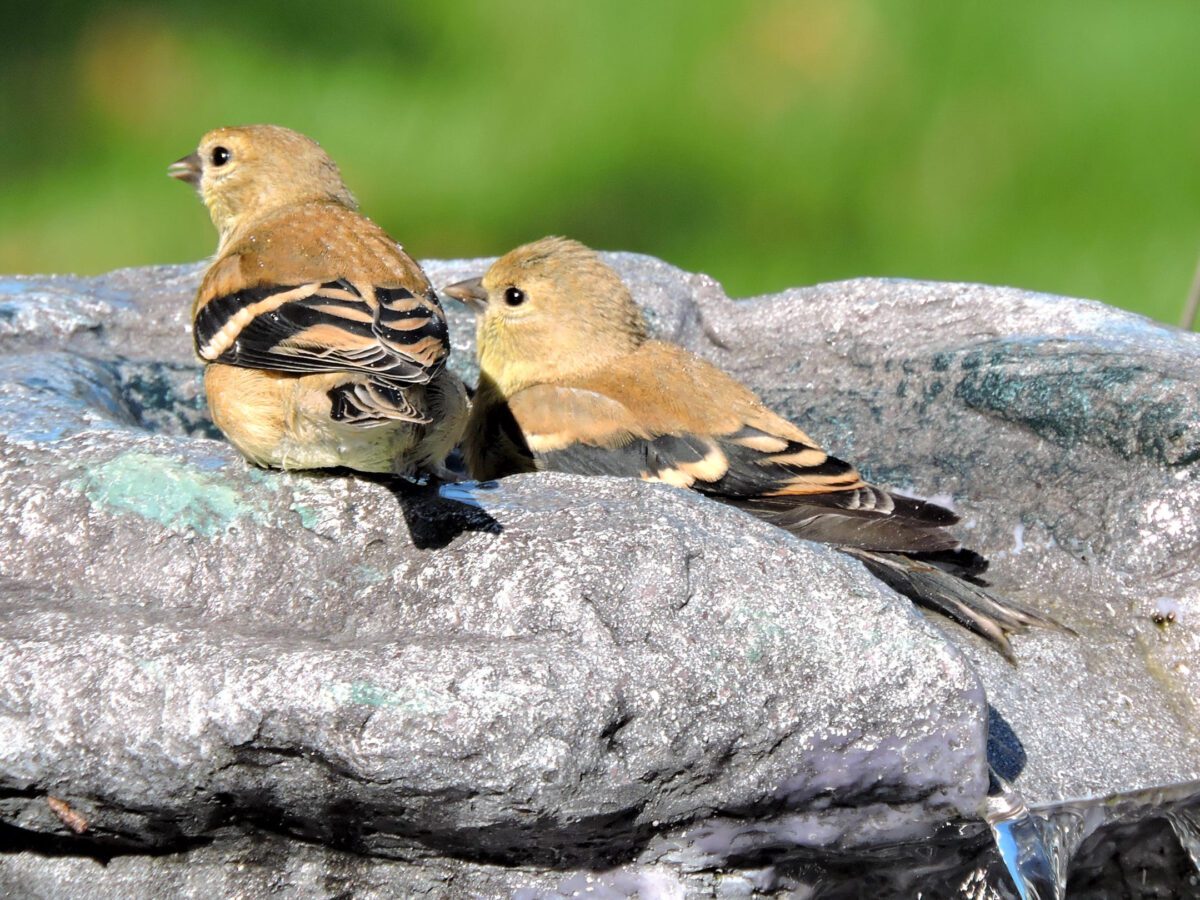
American Goldfinch (USA Today via Reuters Connect)
Spring bird migration may be awhile away, but there are a range of winter birds in Wisconsin that you can support over the next few months.
Goldfinches, sparrows, woodpeckers and chickadees are a few of the species that stick around in Wisconsin through the cold weather. Between the birds’ higher energy needs and the limited availability of natural foods, birds could use your help staying fed through the winter, according to the Wisconsin Department of Natural Resources.
Here are some tips for feeding birds in the winter, plus how to report your bird sightings in Wisconsin:
What type of seed should you feed winter birds in Wisconsin?
Black oil sunflower is the best seed to offer birds, as they have a high fat content and attract the widest variety of species, according to the DNR.
For certain species, the DNR recommends the following types of food:
- Nyjer seed for finches
- White millet seeds for sparrows, doves and other ground-feeding species
- Suet and peanut chunks for woodpeckers, chickadees and nuthatches
The agency advises against using generic seed mixes because they can produce more waste and tend to attract “less desired bird and mammal species.”
Providing water is also a great way to attract a wide variety of species to your yard, according to the National Audubon Society.
In the winter, you should avoid ceramic birdbaths, which can crack in cold weather, and instead use a plastic birdbath with a built-in heater or add a heater to your summer birdbath. Make sure to refill the water frequently, as it can evaporate quickly in dry winter air.
How to place bird feeders and ‘birdscape’ your property
When it comes to placing your feeders, the DNR advises putting them either within three feet of a window or more than 30 feet away from the home to avoid window collisions. Anywhere in between, the birds can pick up enough speed to fatally slam into a window.
Make sure to clean feeders every two weeks with soapy water and a 10% bleach solution to minimize disease risk. To deter squirrels, you should put cone- or dome-shaped baffles above hanging feeders or below pole-mounted feeders.
You can also provide cover for birds that are roosting or escaping predators by putting together brush piles or planting dense shrubs.
Lastly, you can “birdscape” your property in the winter by planting native plants, including fruit-bearing shrubs and evergreen trees. Find more information about native plants in Wisconsin on the DNR website: https://dnr.wisconsin.gov/topic/endangeredresources/nativeplants.
How to track bird sightings in Wisconsin
Amateur birders can also report and track their daily bird sighting on the following sites:
- Wisconsin eBird: Allows you to report and track your daily sighting from your birding excursions. You can also see real-time bird sightings from other birders across the state.
- Wisconsin Society of Ornithology: Provides information to document rare birds and how to use eBird for seasonal reports.
- The Great Backyard Bird Count: A global project to record bird abundance and distribution that takes place every February. You can contribute by reporting your observations of Wisconsin birds.
- Report a rare bird: This information is used for species on Wisconsin’s Natural Heritage Working List.
- Report a sick or dead bird by using the directory of wildlife rehabilitators or contacting your local DNR office.
This article originally appeared on Milwaukee Journal Sentinel: Here are some ways you can help winter birds in Wisconsin
Reporting by Maia Pandey, Milwaukee Journal Sentinel / Milwaukee Journal Sentinel
USA TODAY Network via Reuters Connect
Author

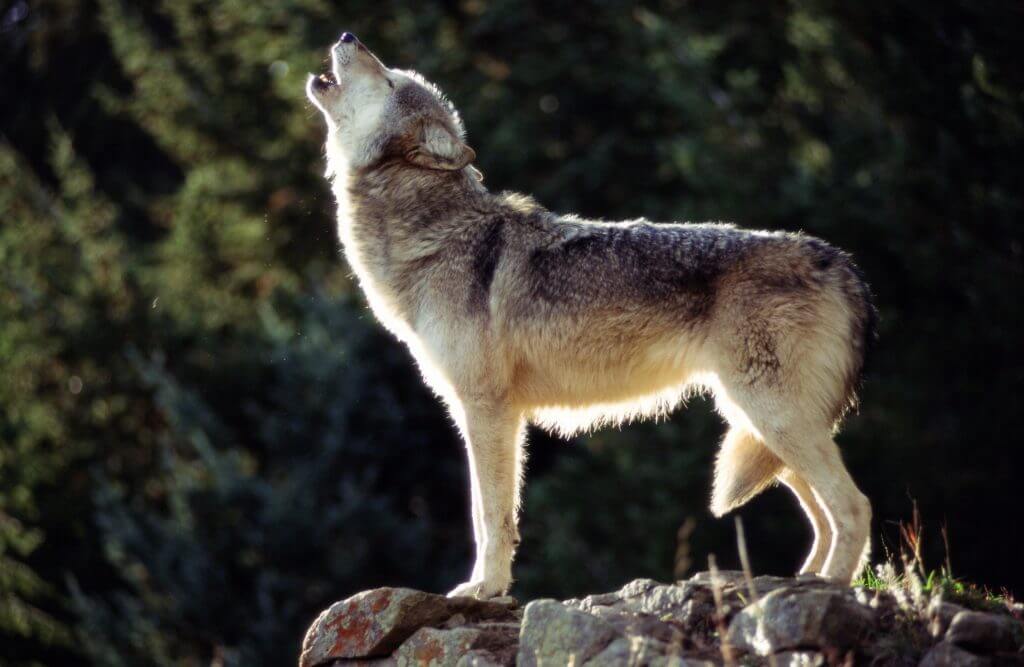
New Wisconsin wolf hunt rules set to take effect
by Henry Redman, Wisconsin Examiner October 30, 2025 Permanent rules to guide the conduct of wolf hunting in Wisconsin are set to take effect...
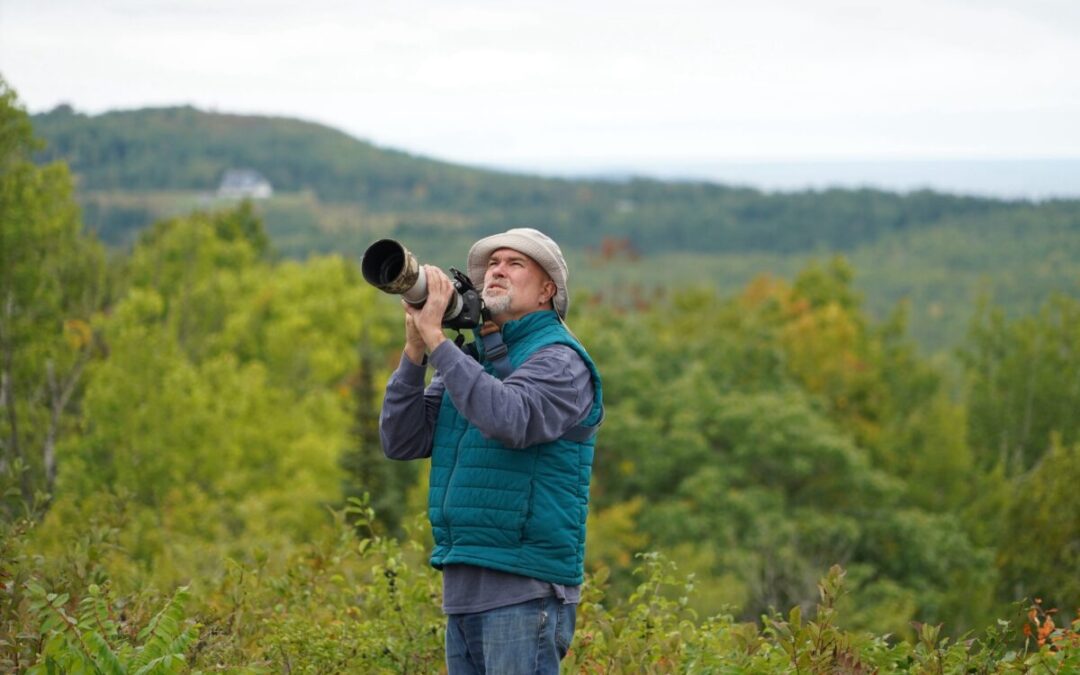
Millions of birds have already migrated south for winter. What to know about fall migration in Wisconsin.
Migration season in Wisconsin is in full swing. Million of birds have been migrating across Wisconsin every night since late August, according to...
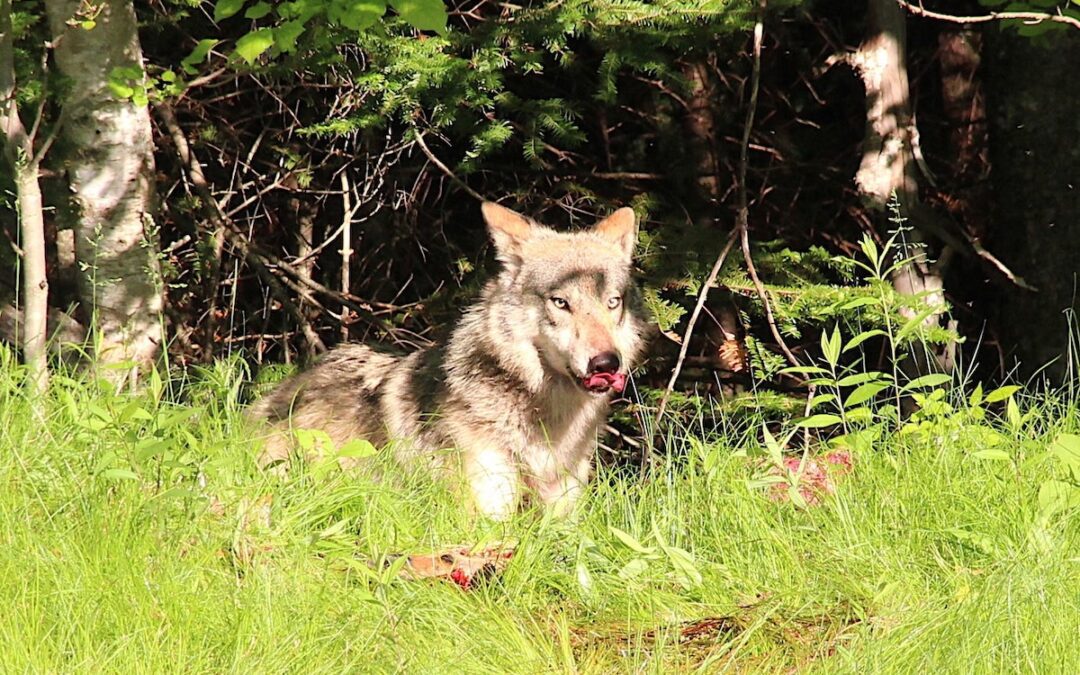
DNR releases updated Wisconsin gray wolf population estimate
The gray wolf in Wisconsin and most other states has been protected under the federal Endangered Species Act since February 2022. Wisconsin had an...
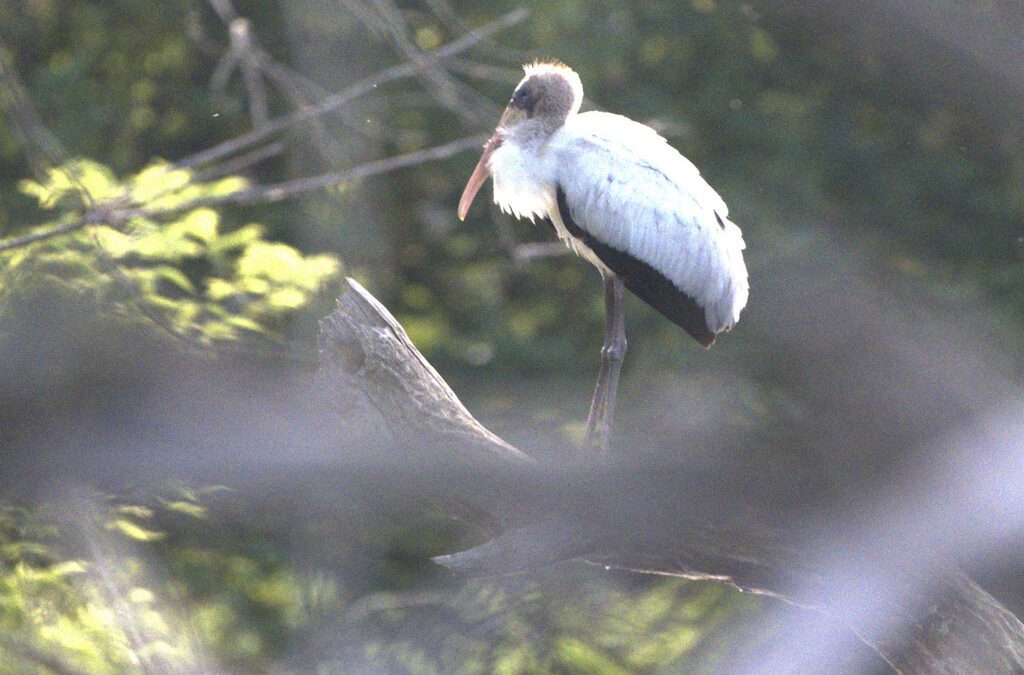
Deer hunter discovers rare subtropical wood stork in the wilds of Wisconsin
MADISON, Wis. (AP) — A very rare and apparently very confused subtropical wood stork somehow found its way to the wilds of Wisconsin. A hunter...