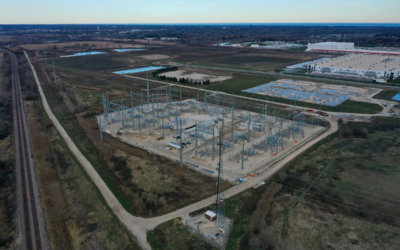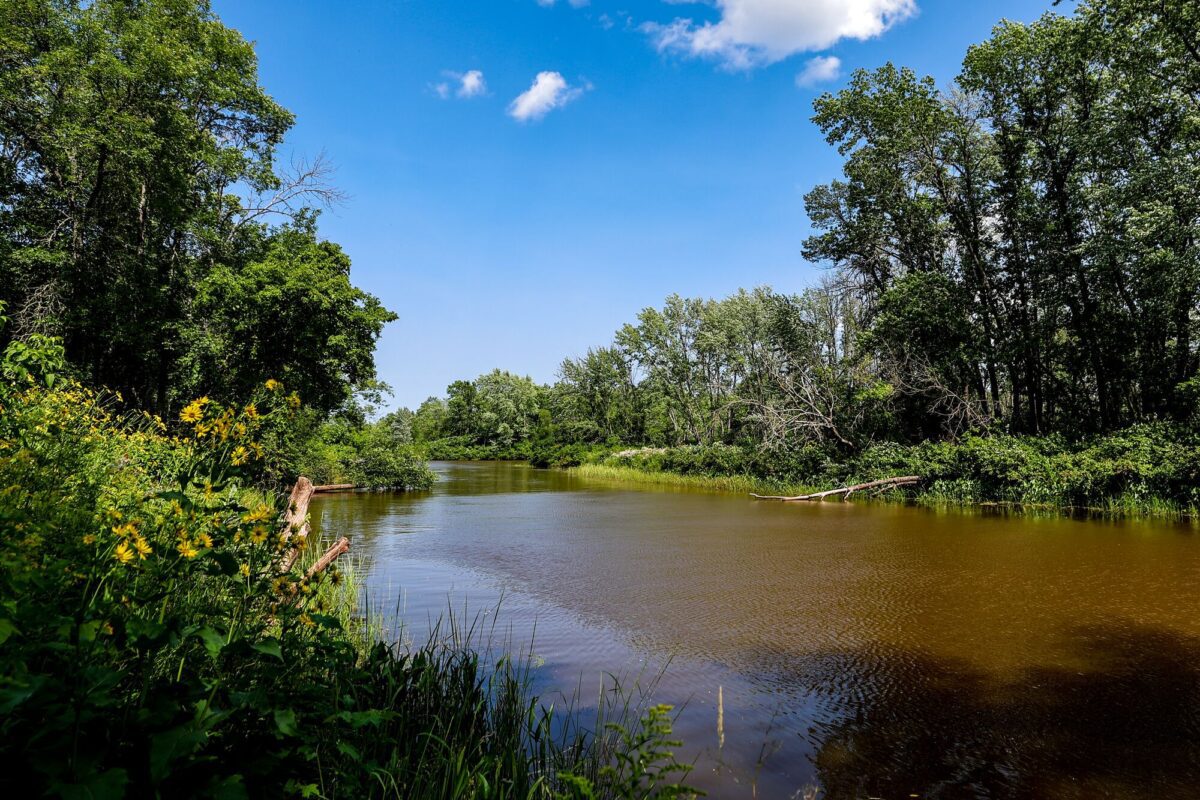
The White River is among the critical waterways in the Bad River Band's territory that is directly threatened by the proposed Enbridge Line 5 reroute project. (Steven Garcia for Earthjustice)
The fight over the Line 5 pipeline continues as the Bad River Band of Lake Superior Chippewa sues the U.S. Army Corps of Engineers. The tribe claims the Corps’ permitting approval for Canadian oil company Enbridge’s construction of a 41-mile pipeline relocation project is unlawful. A section of the more than 70-year-old pipeline has been operating illegally on the Bad River Band’s Reservation for more than a decade.
Beth Wallace, Great Lakes climate and energy director with the National Wildlife Federation, said despite decisionmakers fighting for years to shut it down, legal maneuvering and a lack of energy planning has made this nearly impossible to achieve. She stressed the reroute to keep it running still poses a direct threat to tribal lands and natural resources.
“This piece of infrastructure has already set the stage for other corporations to violate, or attempt to violate, critical laws,” she explained. “It’s really important that leadership aren’t creating a dangerous precedent where our Great Lakes protections are on the line to foreign oil corporations.”
Proponents, like the Wisconsin Jobs and Energy Coalition, are calling the lawsuit “baseless.” They say the project has been thoroughly analyzed and would create hundreds of jobs and provide energy to the state and region. A federal judge ordered Line 5 to be shut down by June of 2026 but that decision is under appeal.
The lawsuit claims Enbridge’s relocation plans place Line 5 directly in the headwaters of the Bad River Band’s reservation, requiring drilling that could cause environmental damage. Wallace emphasized that the issue of whether Line 5 is needed isn’t being properly addressed or evaluated in terms of Wisconsin’s clean energy portfolio or goals.
“What Line 5 is showing us is that our systems are so broken that we can have a foreign oil corporation challenging both tribal and state sovereignty rights and Great Lakes laws for almost a decade and continuing to make $1 to $2 million of profit, every single day, just through legal challenges,” she continued.
Wallace said there are alternatives to Line 5 that would create more jobs, boost U.S. domestic energy supplies, and make use of other transportation sources, including existing Enbridge pipelines with available capacity – all while upholding Great Lakes laws and tribal and state sovereignty.
Author


WI energy bills rise as Trump marks one year in office
By Judith Ruiz-Branch On the one-year anniversary of President Donald Trump’s second term, advocates for clean energy and the environment are...

6 immigrant-owned Wisconsin businesses to support in 2026
Immigrant-owned businesses support the local economy and provide an opportunity to learn about new cultures. Here are six in Wisconsin to check out...

Wisconsinites press Congress over unaffordable health insurance
By Judith Ruiz-Branch Some Wisconsinites are looking to Congress to finish what it started this week in passing a bipartisan measure which...

Parents deported, children left behind: WI advocates warn of growing crisis
By Judith Ruiz-Branch New research is shedding light on the issue of parent-child separation among immigrant families, which has become more...