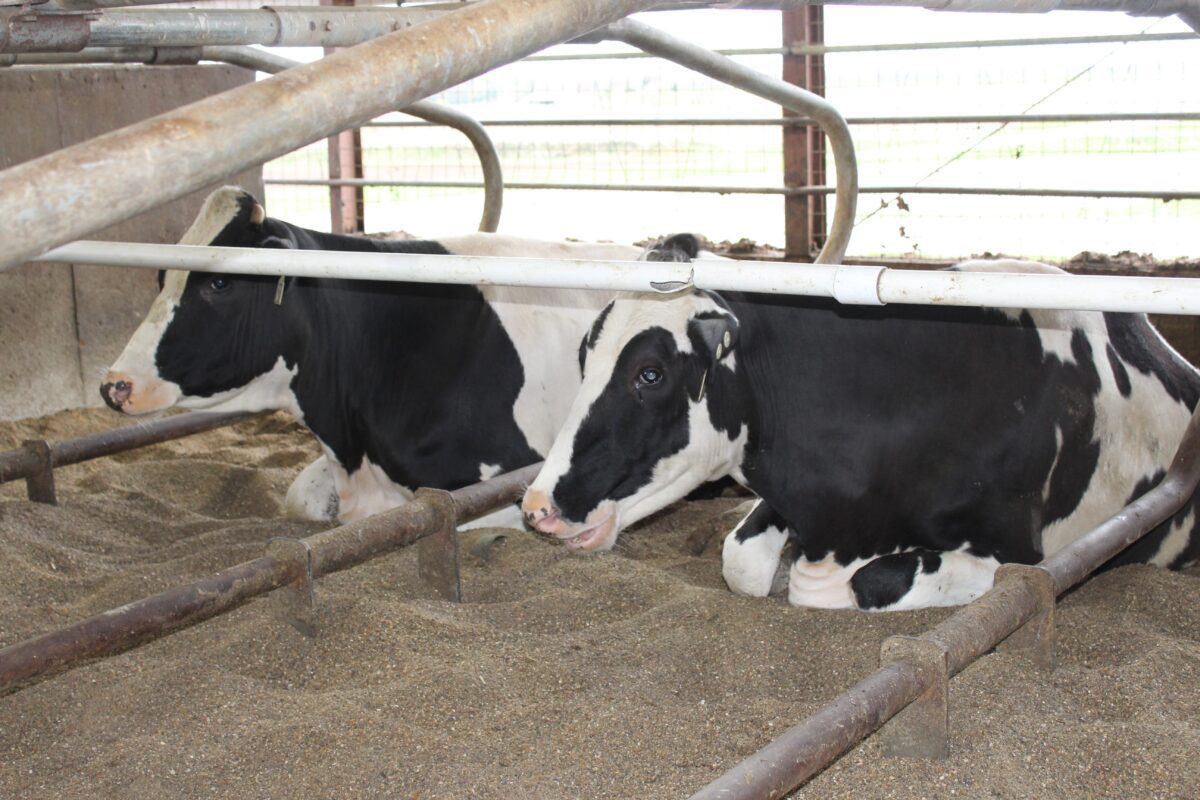
Since bird flu was first identified in U.S. dairy herds in March 2024, Wisconsin dairy cows have managed to avoid the virus - until now. (USA Today via Reuters Connect)
Since the first cases of bird flu were confirmed in dairy herds in Texas and Kansas in March 2024, Wisconsin had been among a handful of states where dairy cattle had managed to escape the virus. That is, until this weekend when the highly pathogenic avian influenza (HPAI) was detected in a dairy herd in Dodge County.
The Wisconsin Department of Agriculture, Trade and Consumer Protection (DATCP) made the announcement late on Dec. 14, with the disease detected via a milk sample from the affected farm.
Wisconsin began mandatory, routine milk testing for bird flu in dairy cattle in May 2025, participating in the USDA’s National Milk Testing Strategy (NMTS). Before that, the state had required testing for all cattle traveling to fairs and dairy shows since June 2024.
This is the first detection of HPAI in dairy cattle in Wisconsin. According to Wisconsin Public Radio, the Wisconsin Veterinary Diagnostics Laboratory reported a positive milk sample from the farm on Thursday. A subsequent test on Friday also tested positive. The National Veterinary Services Laboratory confirmed both test results.
Five milk samples that had been drawn from the Dodge County farm’s bulk tank in the past had tested negative.
Wisconsin State Veterinarian Darlene Konkle told WPR that no new animals had been introduced into the herd, and that cows in the herd were not displaying any signs of illness, “giving the farmer no reason to suspect highly pathogenic avian influenza on the farm.”
DATCP is working to respond in coordination with the U.S. Department of Agriculture (USDA), Food and Drug Administration (FDA), Centers for Disease Control and Prevention (CDC), and state partners.
The affected farm, which has not been identified, has been quarantined, and any cattle exhibiting signs of illness will be separated for further treatment. Per USDA, there is no concern about the safety of the commercial milk supply or consumer health, as products are pasteurized prior to entering the market. The CDC considers the human health risk for this virus to be low.
According to the USDA, only one dairy herd in the U.S. (excluding Wisconsin) has tested positive for bird flu in the last 30 days. Since Jan. 1, 2025, bird flu has been detected in dairy herds in the states of Arizona, California, Idaho, Michigan, Nevada and Texas.
According to Reuters, a bipartisan group of 23 U.S. Senators, representing states with significant agricultural interests such as Iowa, Minnesota, South Dakota, and Virginia, is urging the USDA to prioritize and expedite a comprehensive bird flu vaccination strategy for poultry and livestock.
Bird flu hits nearby
While dairy cattle and humans infected by bird flu are more likely to recover, this is not the case with birds. The virus is highly contagious to poultry and waterfowl. DATCP reported on Sept. 25 that a commercial poultry farm in Jefferson County, just south of Dodge County, had to cull its flock of over 3 million egg-laying hens after tests confirmed the presence of bird flu. Less than a week later, the virus was detected in a nearby facility on the property. In this incident, 493,298 pullets had to be destroyed.
This was the second time in three years that Daybreak Foods Inc., the fourth-largest egg producer in the U.S., was hit by bird flu.
What should farmers be aware of?
According to the USDA, there is no risk to dairy consumers because commercial milk products are pasteurized before entering the market. The Centers for Disease Control and Prevention said the human health risk for this virus is low.
DATCP encourages cattle and poultry owners to register their premises. State law requires that all livestock owners register where their animals are kept, and registration helps animal health officials communicate with owners during disease outbreaks. Future updates will be sent to emails associated with livestock or poultry registered premises.
Livestock and poultry owners are encouraged to continue monitoring their herd and flock health, and practice good biosecurity. To report signs of illness, follow the instructions on the DATCP Animal Disease Reporting webpage or contact DATCP at 608-224-4872 (business hours) or 800-943-0003 (after hours and weekends). Signs of HPAI in dairy cattle include:
- Changes in manure, often reported to be dry or tacky;
- Reduced feed intake with concurrent decreased rumen motility; and
- Drop in herd-level milk production or increase in milk conductivity, affected cows may have no milk.
This article originally appeared on Wisconsin State Farmer: Bird flu found for first time in Wisconsin after Dodge County dairy herd tests positive
Reporting by Colleen Kottke, Wisconsin State Farmer / Wisconsin State Farmer
USA TODAY Network via Reuters Connect
Author


Federal cuts threaten rural progress in Wisconsin, report finds
Across the country, rural Americans are facing challenges that go far beyond headlines and statistics: An Appalachian woman whose life was saved by...
China is boycotting American soybeans. Wisconsin farmers will pay the price for it, trade group says
As China and the U.S. remain locked in a tense standoff over tariffs, Wisconsin soybean farmers have found themselves in the crossfire of the...

Opinion: Wisconsin farmers struggling amid trade wars and broken promises
From Trump’s trade wars to slashed programs and support for big corporations, Congressman Van Orden is backing policies that hurt Wisconsin farmers....

Gwen Frisbie-Fulton: ‘The people closest to the problem are often the ones who can find the solution’
About two years ago, tents started to show up in my neighborhood along the creek beds and in small stands of trees. Most only became visible when...