A Wisconsin teacher is voicing significant concerns about the recent federal special education cuts and says it’s an added blow to the state budget deficit. This month, the U.S. Department of Education began laying off more than 450 employees, many of whom oversee special-education management. Peggy Wirtz-Olsen, President of the Wisconsin Education Association council, also a high school teacher, said Wisconsin educators have already been sounding the alarm about the lack of special education funding and advocating for a higher reimbursement rate for special education needs. She added that the state cannot withstand what she describes as a federal attack on public education.
“What I’m thinking about when I look at these federal level cuts on top of the state struggling cuts. We didn’t get special-education funding up where we wanted to get it, so it’s kind of a one-two punch,” she explained.
Wisconsin reimburses less than a quarter of a school district’s special-education costs, one of the lowest reimbursement rates in the nation. Wirtz-Olsen stresses implications from federal cuts could extend to students across the state, adding to the already large gap to fill. About $15 billion in special education funding is overseen by the affected offices that support services for an estimated 7.5 half million students with disabilities across the country.
A recent state analysis shows about 66% of Wisconsin school districts will see their general aids decrease next year under the current state budget. Wirtz-Olsen noted this happened despite more than 70% of Wisconsinites supporting increased funding.
“I refer to it as robbing Peter to pay Paul,” she continued. “Special education students have individual needs and by law must be met. But sometimes those needs can exceed what the state is reimbursing at. And then the school district is forced to reach into their general aid to cover those costs.”
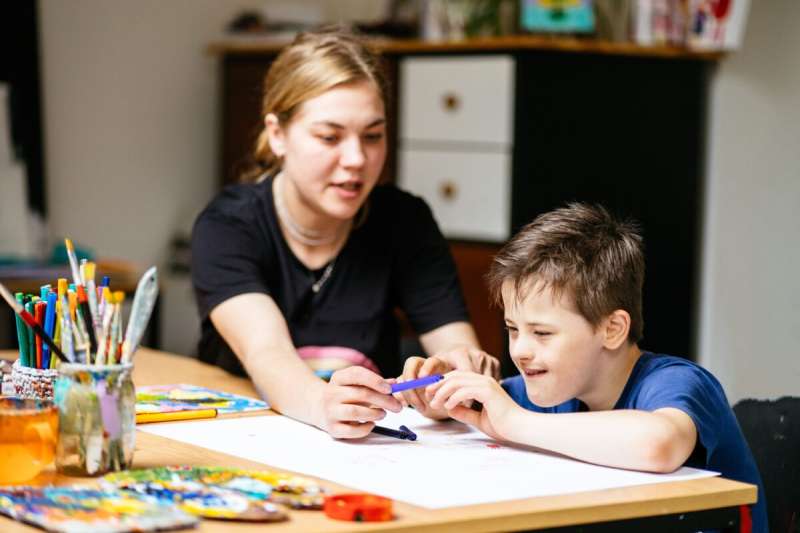
Wirtz-Olsen said a colleague teaches special education in rural Wisconsin and recently expressed serious concerns about how these resource reductions would affect her students. She urged families, especially those with special-education students, to make their voices heard by contacting politicians about their children’s needs.
“I know as an educator, partnering with families has really been the most important piece to helping students succeed,” she continued. “So I would encourage families to reach out to those educators in their schools to make certain that they can all lift their voices together.”
Related: Half of Wisconsin’s special education teachers leave after 5 years