#image_title
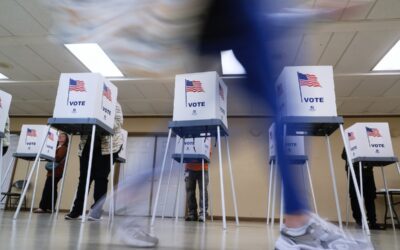
Four in five Wisconsinites voted in the last presidential election, and although spring elections historically have lower turnout, a record number of people have already cast their ballots.
April 2 is your last chance to vote–Wisconsin’s official spring Election Day–and we are answering all your last-minute questions:
When can I vote?
Polling places are open on Election Day from 7 a.m. to 8 p.m. As long as you are in line at 8 p.m., your vote will count.
I don’t have a lot of time. How long does it take?
Typically less than 30 minutes, but because it’s the spring, most likely a lot less. There’s usually a morning, lunchtime, and evening rush. But that “rush” usually means a 15-minute-or-less line. Other times of day, there will most likely be no wait.
Where do I vote?
Look up your polling place by entering your address here.
Is my polling place always the same?
Not always. Polling places can change for a variety of reasons, and where you vote this year may not be the same place you cast your ballot last time around. That’s why it’s a good idea to double check!
I forgot to register. Can I still vote?
Yes. Don’t forget to bring a voter ID and proof of residence (outlined below).
What if I am sick or physically unable to enter my polling place?
You can vote from the curb. Every polling place has a “Vote Here” flag outside. Ask someone to notify the poll workers inside that you are a curbside voter. If you don’t have someone to send in to do that for you, you’ll find a phone number posted on the “Curbside Voter” sign near the polling entrance. Two poll workers will come out to your car and bring you a ballot, pen, and secrecy sleeve. Your vote will be counted.
What should I bring?
A photo ID, like your Wisconsin driver’s license, ID card, military ID, US passport, or student ID if it follows these guidelines. You should also bring proof of residence, like a bill with your address on it or one of the items on this list, if you need to register on Election Day.
Is there anything I can’t wear?
“Electioneering” (or engaging in activity that openly supports a person, party, or platform) is the most common form of Election Day disturbance. You’re not supposed to wear any clothes, hats, or pins that support a candidate or cause to the polls. That said, poll workers won’t send you home, but they will try to get you in and out of the polling place as quickly as possible.
Can I get help filling out my ballot?
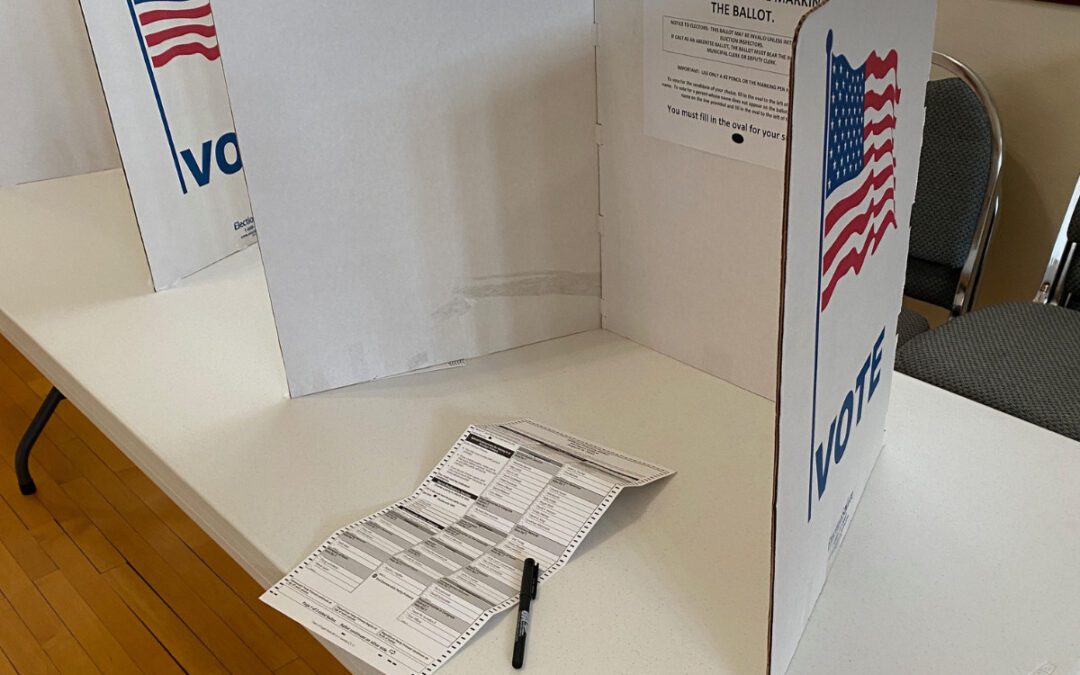
Yes; you have options! You can either bring someone with you to help mark your ballot, as long as they’re not your employer or labor union representative. They do not need to be an eligible or registered voter themselves. The poll workers will ask for their name and address, and they’ll need to sign your ballot. OR You can ask a poll worker to help you.
Are voting machines secure? How do I know my vote will count?
All Wisconsin votes are cast on paper, so the machine count can always be verified. State law requires that voting machines be tested regularly (a boring process, but one that is open to the public if you’re interested!). An official audit of the 2020 general election in Wisconsin found zero evidence any vote was changed or incorrectly counted.
Will we know the results on election night?
Possibly, but probably not. While election officials give out rolling totals while bipartisan teams of election workers tally, double-check, and update the numbers, many of Wisconsin’s biggest races are expected to be very close. State law prevents mail-in ballots from being counted until Election Day.
Why do vote totals change after Election Day?
It takes time to count ballots. It is normal and necessary for vote totals to change over the course of several days, until they are officially certified. This is not a sign of fraud or miscalculations.
Why am I still seeing conflicting information about Wisconsin’s elections?
Some false information is being shared by people who don’t realize it’s false, but some is being spread intentionally to deceive people. Why? Sometimes it’s for media attention. Sometimes candidates are choosing not to publicly accept they’ve lost. Sometimes, foreign governments are trying to undermine trust in our democracy. Long story short: Wisconsin’s elections are free, fair, and something you can trust.
👉🏽 Not finding the answer you’re looking for? It’s probably answered here.
Author

Support Our Cause
Thank you for taking the time to read our work. Before you go, we hope you'll consider supporting our values-driven journalism, which has always strived to make clear what's really at stake for Wisconsinites and our future.
Since day one, our goal here at UpNorthNews has always been to empower people across the state with fact-based news and information. We believe that when people are armed with knowledge about what's happening in their local, state, and federal governments—including who is working on their behalf and who is actively trying to block efforts aimed at improving the daily lives of Wisconsin families—they will be inspired to become civically engaged.

Wisconsin Republicans introducing new bill to ban absentee ballot drop boxes
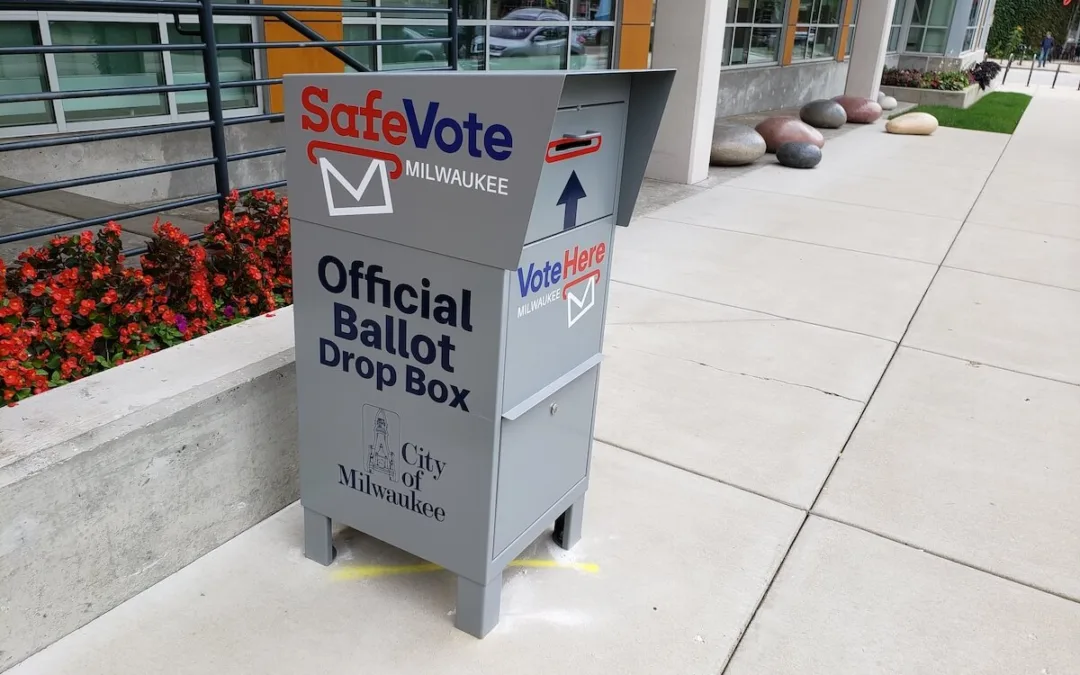
Conservative state Supreme Court justices banned drop boxes in 2022, but they were restored when the court came under liberal control in 2024....
Citizen-driven ballot initiatives can’t happen in Wisconsin, but some people are trying to change that
About half the states have some process that allows citizens to collect enough signatures to force statewide referendums — something only the...

Sarah Godlewski becomes first 2026 candidate for lieutenant governor
The current secretary of state and former state treasurer won’t join what could become a crowded field of candidates seeking to succeed retiring...

Who is (and isn’t) running for Wisconsin governor in 2026?
Gov. Tony Evers’ retirement will set off a feeding frenzy of political ambition for the first open governor’s seat in 16 years, and the ripple...