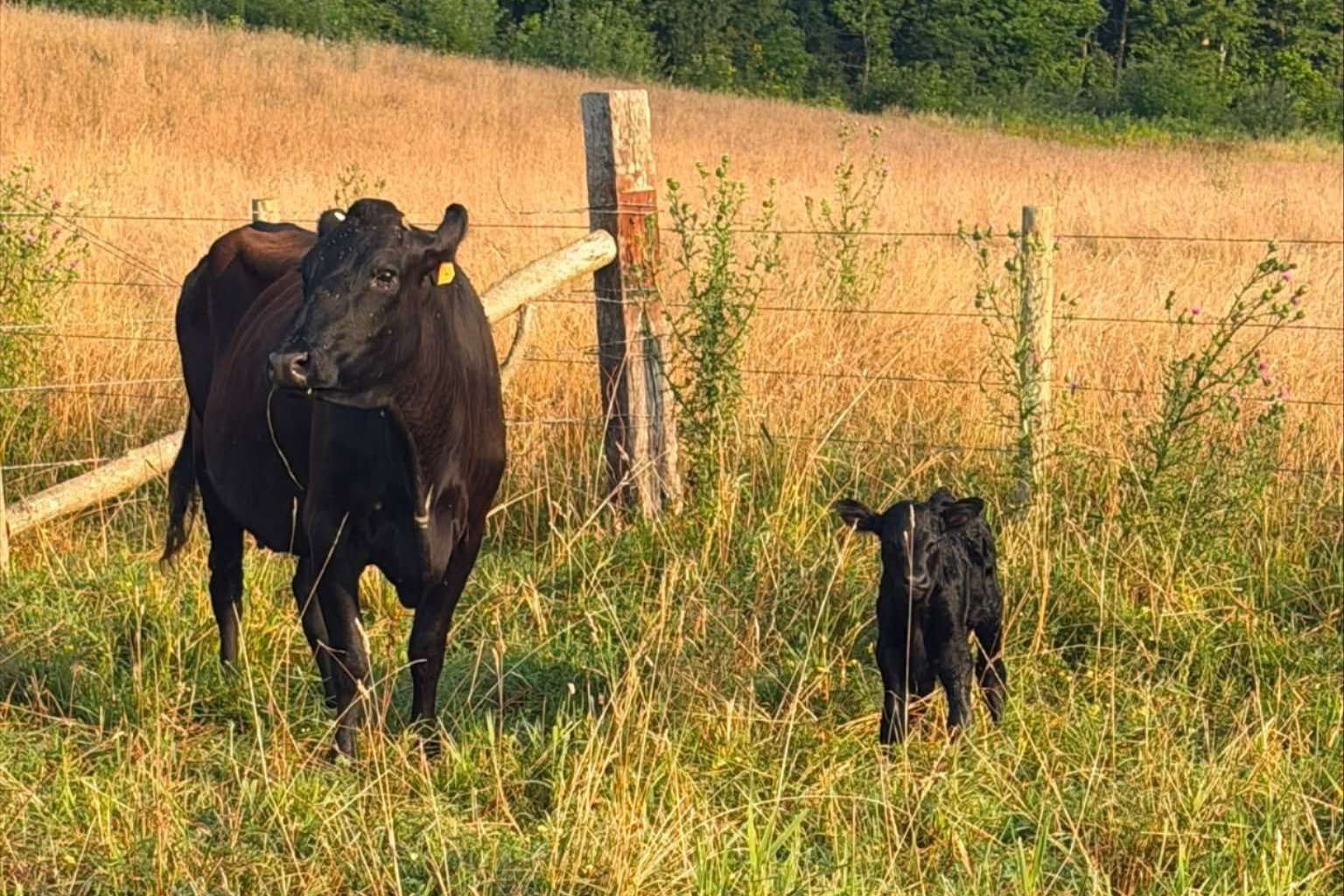
For Wisconsin farmers like AJ Kangas, raising cattle is more than just feeding an animal and bringing it to the market. His family farm near Dallas, Wisconsin, comes with several costs, like hay, fuel, feed, fencing, and insurance, and these costs are only rising.
Going into winter after a drought, Kangas is already weighing whether the price of hay will pay off when his cattle hit the market.
“What we bring in, that’s what pays out bills,” Kangas said. “That’s what puts food on our table. That’s what puts clothes on our back. That’s what gets my kids to be able to do the extra stuff at school.”
Now, President Donald Trump is planing to bring 300,000 tons of imported beef into the US and mandating that the meat be sold at 25% below the current market value, posing another risk to small-scale independent farmers in Wisconsin.
Kangas said one way consumers can help is by buying directly from local farmers. Shifting just some purchases away from larger grocery stories could make a difference for Wisconsin’s small-scale beef producers.