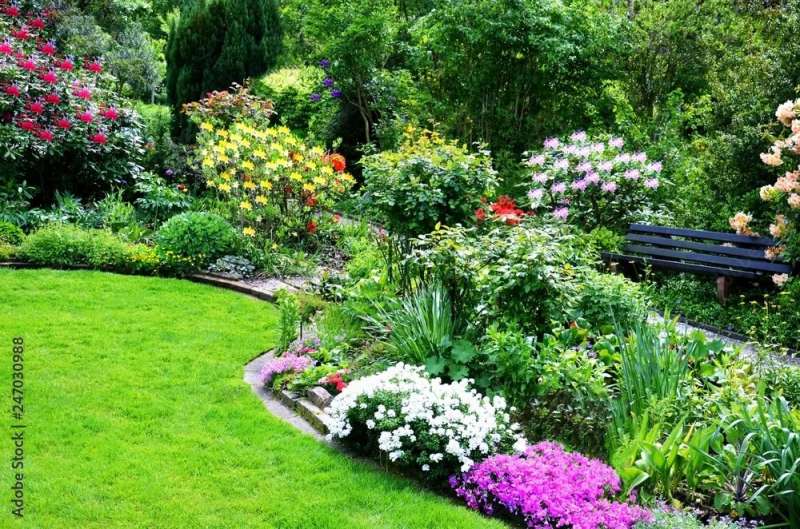
No green thumb required for these beautiful, pollinator-friendly plants!
New England Aster

Despite its name, the New England aster is actually native to Wisconsin, as well as the east coast. This flower has a stout and leafy base that looks like a purple daisy when it blooms in the late summer. They’re happiest in moist soil that’s in a sunny spot.
Tip: If you don’t think the New England aster will blend in with the rest of your garden, try one of the other dozen breeds of aster that grow naturally in Wisconsin!
Eastern Red Columbine

The Eastern Red Columbine’s unique shape and eye-catching red color is sure to brighten up your garden and attract hummingbirds, too! These hanging red flowers bloom in May and June and are ranked by the Wisconsin DNR as an easy plant for beginners.
Tip: They do best in rich, moist soil, but can survive just fine in drier ground if you’re fine with duller colors.
Northern Maidenhair Fern
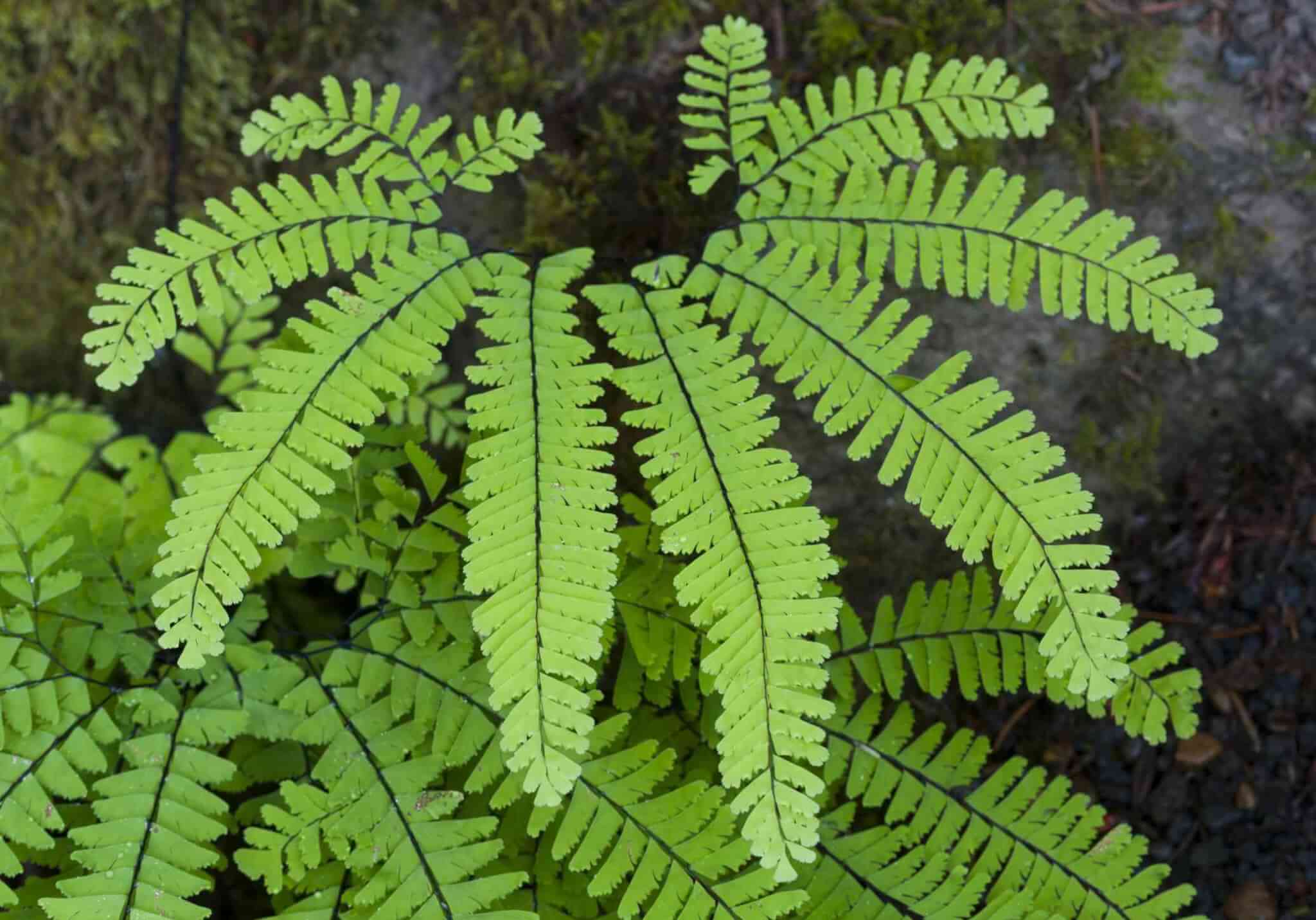
Although ferns don’t have the most exciting color palette or blossoms, the northern maidenhair is a great way to add some texture and depth to your garden. Ferns are very forgiving plants for beginners, and do best in moist soil without direct sunlight. You can tell a maidenhair apart from other ferns by their fan-shaped leaf clusters and delicate appearance.
Tip: Fertilize your fern once a month, water it at least every other day, and you’re all set!
Prairie Phlox

If you want to add a splash of color to your garden, the eye-catching magenta prairie phlox (also commonly known as the downy phlox) adapts easily to many environments, meaning you can plant it almost anywhere and watch it thrive. Phlox bloom from May through July, and watch for butterflies–they love the purple flowers, too!
Tip: Plant your prairie phlox in a sunny spot with relatively dry soil to see the best results.
Cardinal Flowers

Another splash of Badger red, the cherry-colored cardinal flower will draw all sorts of eyes to your garden–including hummingbirds’. You’ve probably seen these growing naturally around streams, swamps, and low-wooded parts of the state–usually in late summer.
Tip: Make sure you plant them in a shady area and keep their soil moist–they aren’t good at handling droughts!
Black-Eyed Susan

Black-eyed Susans look like mini sunflowers, but they’re a species all their own. Another Wisconsin native, these low-maintenance flowers attract bees, butterflies, and even hummingbirds and bloom from late spring to early fall, so your garden will be buzzing all summer long.
Tip: Black-eyed Susans aren’t picky about their soil, but they do best when planted in full sunlight.