A lot of people would like more time to dedicate to volunteering for projects or causes they’re passionate about, but sometimes it’s just not feasible. Between work and family responsibilities, it’s often hard to find large chunks of time to dedicate to volunteering, especially among younger people, like Generation Z.
Microvolunteering consists of a volunteer or a group of volunteers completing smaller tasks that take less time and energy and often contribute to a larger project. Or, microvolunteers offer their volunteer time little by little—a few hours when they can spare the time. Tasks are short-term, and oftentimes done virtually, and require little to no training to complete.
From signing petitions to seeding local parks to monitoring trail cameras online, there are a lot of ways to help out, even a tiny bit, throughout Wisconsin by microvolunteering.
What is microvolunteering?
Microvolunteering is exactly what it sounds like: volunteering on a smaller, or a micro, scale. Usually, microvolunteers don’t pre-register for their volunteering, and instead participate in quick, bite-sized projects that typically take between 15 minutes and two hours to complete. Microvolunteers can also complete smaller tasks that make up part of a much larger project.
Linked to online activism, microvolunteering is frequently carried out digitally.
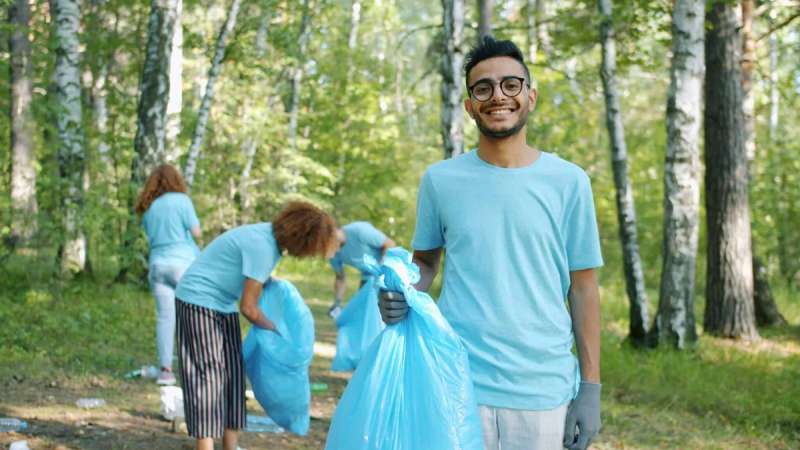
The act of microvolunteering is also relatively vague—it can consist of doing a small task for an established volunteer organization, or doing something as simple as picking up garbage, which is also considered microvolunteering. Essentially, microvolunteering is dedicating small bits of one’s time to help improve something on an informal basis.
Microvolunteering centers on the idea that many smaller, less-dedicated actions can combine into larger volunteering efforts and change, and it’s a growing trend. According to AmeriCorps Volunteering and Civic Life in America Research Summary, the rate of formal volunteering has declined since the COVID-19 pandemic, but the rate of informally helping others, which can be considered a way of microvolunteering, has continued to remain stable, with more than 124.7 million people in the United States informally helping others between Sept. 2020 and Sept. 2021.
How is it different from volunteering?
There are several key differences between microvolunteering and more traditional volunteering, but the primary one is the scale of effort and commitment. Traditional volunteers may feel very committed to the project or goal they’re volunteering for, while microvolunteers are less committed because the act involves performing small tasks that take only a short time.
Traditional volunteer work is often scheduled in advance, while microvolunteering can be done at the microvolunteer’s whim, as many tasks can be easily completed online or in a matter of minutes from home.
What are the benefits of microvolunteering?
Not everyone who wants to volunteer for a cause has the time to do so. Microvolunteering gives people who might be short on time an opportunity to volunteer at their own pace, without the need to make it a regular commitment. Another perk is that microvolunteering can be done from just about anywhere: at home, at the beach, on a walk, or anywhere with an internet connection.
What is International Microvolunteering Day?
While anyone can participate in microvolunteering on any day of the year, there is one special day each year that commemorates it. Held on April 15, International Microvolunteering Day celebrates the act of microvolunteering. During the day, microvolunteers are encouraged to take part in small volunteer tasks, each lasting between 15 minutes and an hour.
What are some ways to get involved in microvolunteering in Wisconsin?
Even if it’s a new concept to some, it’s actually very easy for anyone to get involved in microvolunteering. While strict definitions of the act vary, for the most part it involves volunteering in small, bite-sized pieces, and can be as easy as signing petitions, which can often be done virtually, as more than 80 percent of microvolunteering occurs digitally. Microvolunteers can also share things on social media, proofread, and complete surveys.
Another simple way to get involved in microvolunteering that doesn’t involve getting online is by bringing a garbage bag out on a walk and picking up any trash left on trails or the road that you come across. One of the most popular microvolunteering acts is mini beach cleanups, where microvolunteers take time picking up garbage from nearby beaches.
Where can you microvolunteer in Wisconsin?
Operation Deer Watch
One of the many responsibilities that the Wisconsin Department of Natural Resources (DNR) has each year is monitoring deer populations and deer reproduction. Microvolunteers can help assist in that task by taking part in Operation Deer Watch. The opportunity runs from Aug. 1 through Sept. 30, and consists of microvolunteers downloading the Survey123 app on their smartphones and recording any time that they see a deer in Wisconsin during the time period. The data that the Wisconsin DNR receives help determine the state’s fawn-to-doe ratio for the year and estimates of the deer population throughout Wisconsin.
Weed out in Milwaukee County Parks
The Milwaukee County Park system manages 150 parks, spread across more than 15,000 acres in the county. All of that space leaves room for quite a number of invasive species, and that’s why the Friends of Milwaukee County Parks need the help of volunteers and microvolunteers every year to help rid them from the county’s many parks. The organization maintains a calendar that specifies which parks will be worked on certain days, as well as meeting locations. All equipment is provided to microvolunteers, who only need to show up with a pair of work boots or shoes and a pair of work gloves.
Sunday Market at Cameron Park
Every Sunday from the end of May through the end of October, La Crosse’s Cameron Park is transformed into a bustling marketplace, where volunteers and microvolunteers are welcome to help out. Some of the responsibilities handled by the market’s volunteers and microvolunteers include keeping the market clean, supporting vendors, and helping set up stands. Volunteers and microvolunteers can sign up for a full shift, or just show up for a few hours when they are available.
Set up a “Take What You Need” station
It’s common to see Little Free Libraries all over the place in Wisconsin—and donating used books to them is yet another great way to help out others who have less access to purchasing new books. But, it’s less common to see Take What You Need stations, although they’re fairly simple to put together: Put a cart or bin in front of your home or workplace, and fill it with essential items that people might need, like individually-wrapped snacks, hygiene items, or basic school supplies for kids and teenagers, while including signage so people know that it is a Take What You Need station.
Volunteer Wisconsin
For more microvolunteering opportunities throughout the state, Volunteer Wisconsin serves as a resource, with opportunities searchable by zip code, as well as by the type of volunteer and microvolunteer work that needs to be done.
This article first appeared on Good Info News Wire and is republished here under a Creative Commons license.
Related: How an LGBTQ+ softball league built a community in Milwaukee